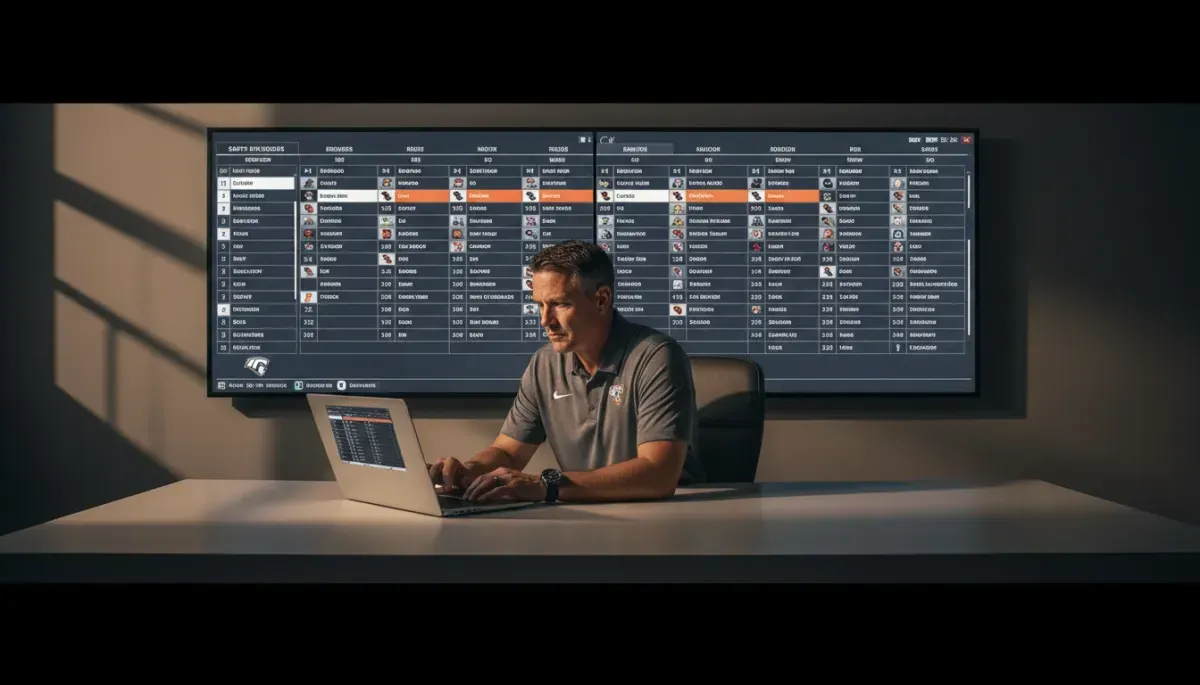
Transfer Portal's Impact on College Recruiting
College Sports, Recruiting, Transfer Portal
How the Transfer Portal Is Reshaping College Recruiting
The NCAA transfer portal has transformed college recruiting from a once linear, four-year commitment into a fluid, year‑round marketplace. Coaches, athletes, and even high school prospects now have to think differently about how rosters are built and careers are planned.
From High School First to Transfers First
For decades, college recruiting revolved around high school athletes. Staffs spent years building relationships with prep coaches, evaluating prospects at camps, and projecting which 16‑ and 17‑year‑olds might contribute three or four years down the road. The transfer portal has upended that order of operations.
Today, many programs approach roster building with a “transfers first, high school second” mindset, especially in revenue sports like football and men’s basketball. Proven college performers in the portal offer less guesswork than high school prospects: they have film against college competition, strength and conditioning histories, and academic records that show whether they can handle the demands of campus life. As a result, scholarship spots that once went to developmental high school recruits are now reserved for instant‑impact transfers.
A Year‑Round Free‑Agency Style Market
The transfer portal has introduced a free‑agency feel to college sports. While there are official windows when athletes can enter the portal, the planning, conversations, and evaluations happen all year. Recruiting is no longer a cycle that peaks on signing day; it is a continuous process of monitoring rosters across the country and anticipating who might become available next.
For coaching staffs, that means building larger recruiting departments, leaning more heavily on analytics, and tracking hundreds of potential portal targets. For athletes, it means understanding that their performance, role, and relationships at their current school can quickly influence their future options elsewhere. The portal has made mobility easier—but also made stability harder to find.
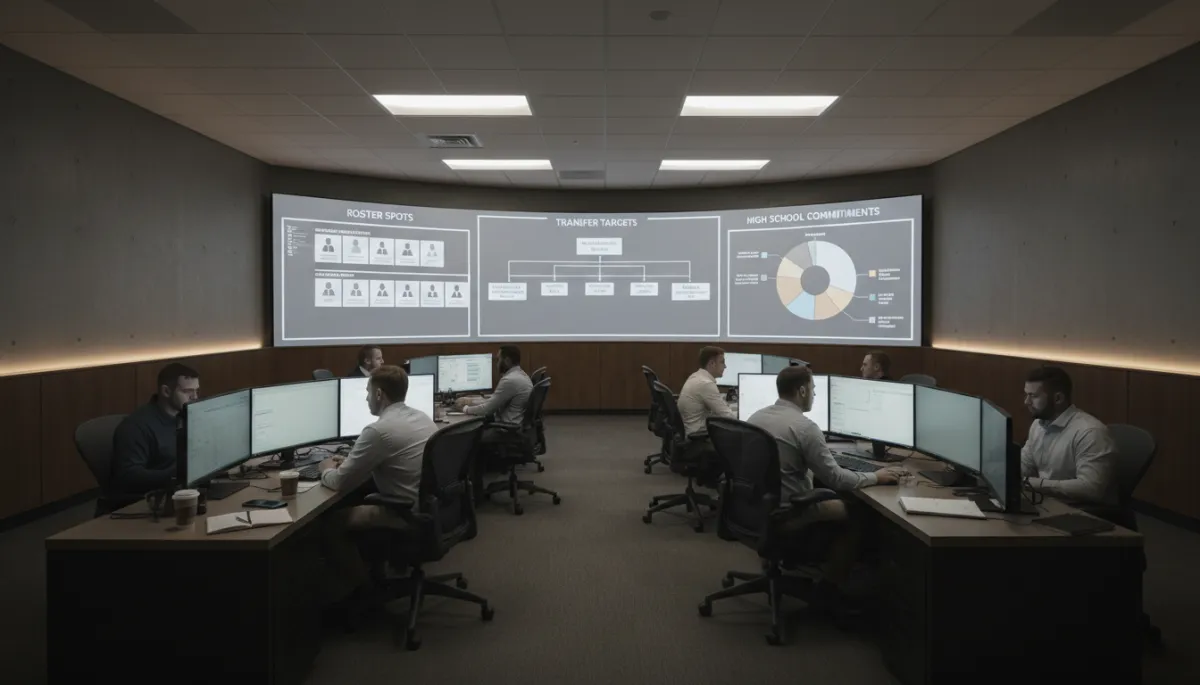
Many programs now run dedicated “portal boards” alongside traditional high school recruiting lists.
Changing the Conversation With High School Recruits
High school prospects feel the portal’s impact most directly. With more scholarships earmarked for transfers, there are fewer spots for graduating seniors, particularly in the middle and lower tiers of Division I. Some high school athletes who once would have landed at that level now find themselves pushed to Division II, Division III, or junior college, hoping to play their way back up and re‑enter the recruiting conversation as transfers later on.
The recruiting message has shifted as well. Coaches are more cautious about promising early playing time, knowing that a veteran transfer could emerge in the portal at any moment. Conversely, high school athletes and their families now factor the portal into their decisions: they ask how often a staff uses transfers, how many players at their position have left, and how the program plans to develop them over multiple years instead of simply replacing them from the portal if things start slowly.
Roster Management: Balancing Development and Quick Fixes
The transfer portal forces coaches to walk a fine line between short‑term needs and long‑term development. It is tempting to plug every hole with an experienced transfer, but rosters built almost entirely on short‑term players can feel unstable and disconnected. Programs that thrive in the portal era tend to blend multi‑year high school recruits with carefully chosen transfers who fill specific gaps in age, experience, or skill set.
This balancing act changes day‑to‑day recruiting strategy. Staffs track eligibility charts by class year, anticipate which players might leave early, and keep contingency plans for potential departures. When a starter unexpectedly enters the portal, coaches must quickly decide whether to elevate a younger player they have been developing or pursue a replacement from the portal—knowing that both decisions send a clear message to the rest of the locker room and to future recruits.
Relationships, Culture, and the Human Side of Recruiting
Amid all the talk of data, windows, and roster spots, the transfer portal is still about people. Strong relationships between coaches and players can reduce the urge to transfer, while poor communication can accelerate it. Programs that invest in culture, clear expectations, and honest feedback often see fewer surprises in the portal and can use it more strategically instead of constantly reacting to departures.
On the recruiting trail, that human element matters more than ever. Transfers are not just choosing a school; they are often choosing a second chance or a better fit. High school recruits are not just picking a logo; they are evaluating how a coaching staff handles change, conflict, and opportunity in an era when switching schools is far more common. Programs that can clearly explain their approach to the portal—and back it up with actions—gain a real advantage in both transfer and high‑school recruiting battles.
Looking Ahead: The New Normal in College Recruiting
The transfer portal is not a passing trend; it is the new normal. As rules continue to evolve and name, image, and likeness (NIL) opportunities grow, the portal will remain tightly woven into the fabric of college recruiting. Coaches who adapt—by embracing flexibility, building deeper support staffs, and communicating transparently with both current players and prospects—will be best positioned to succeed.
For athletes and families, understanding how the portal works, how it affects scholarship numbers, and how each program chooses to use it is now an essential part of the recruiting process. In a landscape defined by movement, the most valuable asset may be clarity—about goals, expectations, and the kind of college experience everyone is truly looking for.
📌 Key Takeaway: Want help navigating how the transfer portal and modern recruiting impact your specific situation? Book a free consultation with our recruiting advisors to review your options, build a strategy, and create a clear plan for your next steps.