How Your State Affects College Football Recruiting
College Football, Recruiting, High School Sports
Why the State You Live In Shapes Your College Football Recruiting Journey
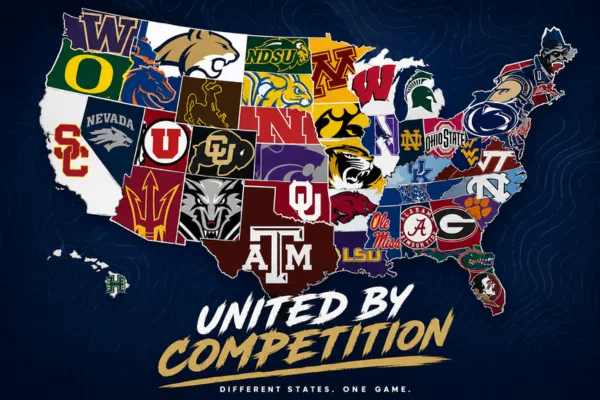
Where you grow up doesn’t just determine your high school colors. In college football recruiting, your home state can influence everything from how often coaches see you to which offers land on the table.
Talent Hotbeds vs. Hidden Gems
Some states are known as recruiting hotbeds. Think of places like Texas, Florida, Georgia, California, and Ohio. These regions consistently produce large numbers of Division I prospects, so college coaches build their recruiting calendars around them. They can visit dozens of potential players in a single trip, attend stacked Friday night matchups, and hit multiple powerhouse programs in one weekend.
By contrast, athletes in smaller or less traditional football states may not see the same drive‑through traffic from recruiters. That doesn’t mean there’s no talent; it means there’s less volume, so fewer automatic stops on a coach’s route. If you live in one of these “hidden gem” states, you may need to be more proactive with film, camps, and communication just to get equal visibility.
In‑State Powerhouses and Local Loyalty
Many states have one or two flagship programs that prioritize keeping the best high school players “home.” If you live in a state with a strong in‑state college brand, that can work in your favor. Those staffs know the local coaches, follow the local media, and often attend big rivalry games. Being a standout in that environment can lead to earlier interest and more consistent evaluation from those schools.
On the other hand, if your state doesn’t have a major FBS program, the path might look different. You may see more interest from out‑of‑state schools that view your area as a place to “steal” talent, or from FCS and Division II programs that recruit your region heavily. The logo on your offer sheet often reflects the college map around you as much as your star rating.
High School Competition and Perceived Level of Play
College coaches don’t just watch your highlights; they ask, “Who are you playing against?” States with deep, competitive high‑school leagues give recruiters more confidence that your stats and film will translate to the college level. Dominating in a top‑tier Texas or Florida district tells a different story than putting up identical numbers in a state with fewer scholarship‑level athletes on the field.
If you come from a smaller state or weaker district, you may need to prove yourself in other environments: regional showcases, college camps, or all‑star games where you can line up against prospects from more recognized regions. Your state sets the baseline perception; your performance beyond it can confirm or challenge that narrative.

The size of your stage shapes how recruiters interpret your Friday night performances.
Travel, Camp Circuits, and Regional Exposure
Your state also affects how easily you can access exposure opportunities. Players in densely populated football regions may have multiple college camps, 7‑on‑7 events, and recruiting showcases within a short drive. That makes it simpler and more affordable to get in front of a wide range of staffs throughout the year.
If you live in a more remote area, every camp trip might require flights, hotels, and time away from school or work. Families in those states often have to be more strategic: choosing a few high‑impact events instead of trying to attend everything. Geography doesn’t decide whether you can be recruited, but it absolutely influences how much effort and planning it takes to be seen.
Media Coverage, Rankings, and Visibility
Recruiting services and local media outlets tend to focus on states where football is a major part of the culture. If you play in one of those places, your standout games are more likely to be filmed, shared, and discussed online. That extra spotlight can lead to earlier rankings, social media buzz, and a faster recruiting timeline.
In states with less media attention, even top players may fly under the radar longer. You might need to take ownership of your story: building a quality highlight reel, maintaining an updated profile, and sending your information directly to college staffs. The state you live in can either amplify your achievements or make you work harder to broadcast them.
Turning Your State into an Advantage
Ultimately, the state you live in shapes the recruiting landscape—but it doesn’t set your ceiling. If you’re in a football‑rich state, your challenge is to stand out among thousands of prospects. If you’re in a quieter region, your mission is to be intentional about exposure and relationships. In both cases, understanding how geography affects recruiting helps you make smarter choices about camps, communication, and long‑term goals.
Where you live will influence who sees you, how often they evaluate you, and which schools recruit your area—but your work ethic, preparation, and willingness to seek opportunities can still rewrite your recruiting story.
📌 Key Takeaway: Your zip code shapes the path, but your effort, strategy, and exposure determine how far you go.
Ready to turn your state into an advantage instead of an excuse?
👉 Click here to grab your Recruiting Launch Kit and start taking the exact steps college-ready athletes use to get on coaches’ radars—whether you’re in a national hotbed or a hidden gem state.