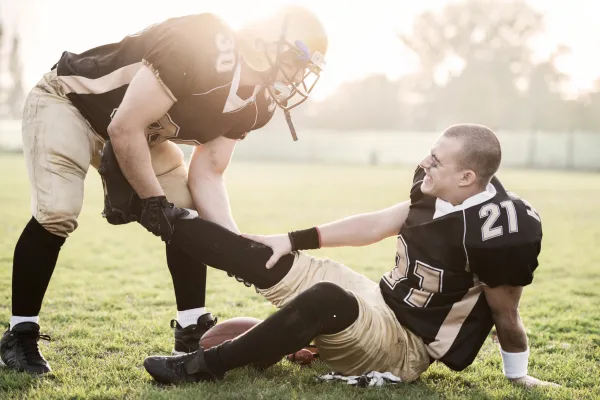
Overcome Sports Injuries in College Football Recruiting
College Football, Recruiting, Sports Injury Recovery
How to Overcome a Sports Injury During the College Football Recruiting Process
Navigating a serious injury is stressful for any athlete, but it can feel overwhelming when it happens right in the middle of college football recruiting. With a clear plan, honest communication, and the right mindset, you can protect your future and stay firmly on college coaches’ radar.
Turning Setbacks Into Recruiting Comebacks
How injured athletes can stay on track for college football dreams
Step One: Prioritize Your Health and Get a Clear Diagnosis
The first key to overcoming a sports injury is accepting that health comes before highlights. See a sports medicine professional quickly, follow through with imaging if recommended, and make sure you fully understand your diagnosis, treatment plan, and realistic timeline for return. Ask direct questions about what movements are safe, what is off limits, and what benchmarks you must hit before playing again.
Once you know the details, share them with your parents, high school or club coach, and—when appropriate—college recruiters. Honesty builds trust, and coaches would rather hear a clear, accurate update than vague excuses or silence when you miss games and camps.
Build a Smart Rehab Routine and Stay Competitive Mentally
Overcoming a sports injury is not just about resting; it is about active, consistent rehabilitation. Work closely with your physical therapist or athletic trainer to create a schedule that includes strength work, mobility, and any approved conditioning. Treat rehab like practice: show up on time, give full effort, and track your progress week to week so you can see improvement even when you are not on the field.
Use this time to sharpen the parts of your game that do not depend on full contact. Study film of yourself and college players at your position, learn coverages and concepts, and improve your football IQ. When coaches see that you stayed engaged and grew mentally during injury, it signals maturity and coachability—two traits that can actually help your recruiting stock.
Communicating With College Coaches While You Are Injured
The college football recruiting process is built on relationships. An injury does not automatically end your chances, but disappearing from communication can. When you get hurt, send a short, professional update to any coaches who have been in contact with you. Include what happened, what your doctors have said, your expected return window, and how you are attacking rehab. Keep the tone positive and solution-focused, not dramatic or apologetic.
As you progress, send occasional updates—new rehab milestones, cleared to run, cleared for non-contact, and eventually cleared for full play. If you have earlier game film, share it again and highlight improvements in size, speed, or strength before the injury. Coaches recruit full careers, not single seasons, and they pay attention to how prospects handle adversity.
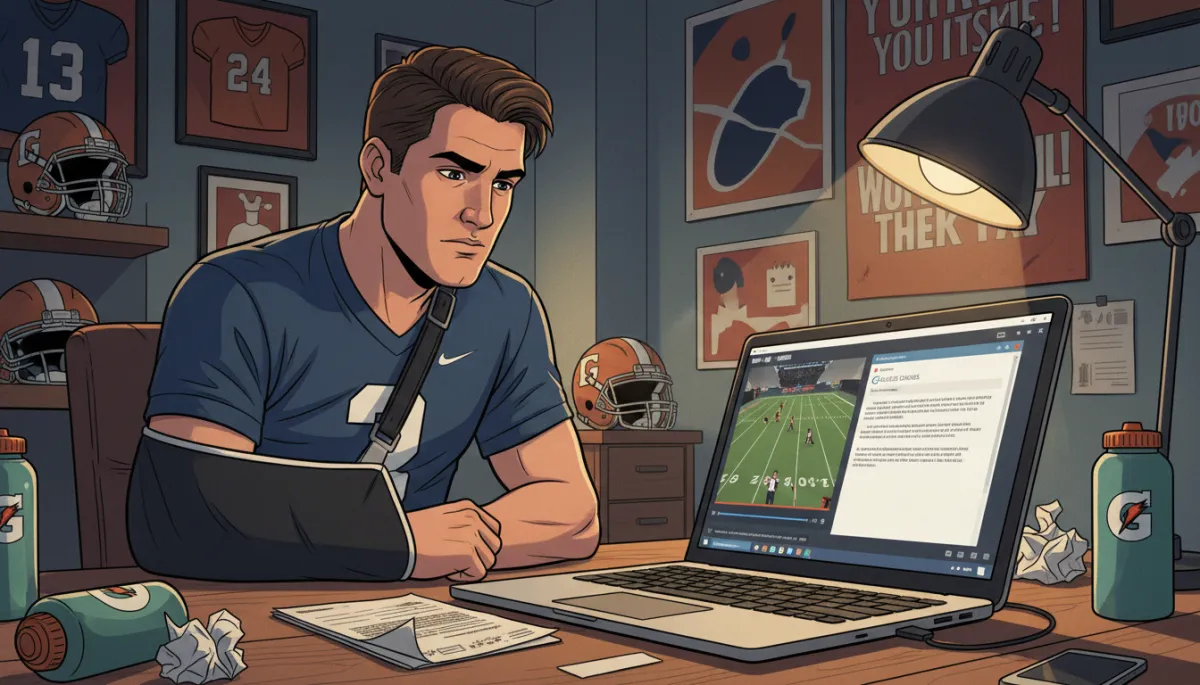
Clear, confident injury updates help coaches see resilience and maturity.
Adjusting Your Recruiting Timeline and Strategy
An injury may shift your recruiting timeline, but it does not erase your opportunities. For some athletes, it means focusing more on junior or senior year film instead of early offers. For others, it might open the door to postgraduate or junior college options that give you time to fully recover and showcase your ability. Talk with your high school coach or a trusted recruiting advisor about realistic levels—FBS, FCS, Division II, Division III, or NAIA—based on both your talent and your new timeline.
You can also use camps, showcases, and combines strategically once you are cleared. Rather than trying to attend every event, choose a few that match your academic profile and athletic level. Make sure you are truly ready physically so that your first impression back in front of coaches is strong, confident, and healthy.
💡 Pro Tip: Keep a simple recruiting notebook or digital document with coach contacts, conversations, medical updates, and your rehab milestones. Staying organized makes it easier to send professional, timely updates.
Protecting Your Confidence and Identity Beyond the Game
Injuries can shake your confidence, especially when your identity has been tied to football for years. Remember that college coaches are recruiting students and people, not just stats. Keep your grades strong, stay involved with your team in any role you can—helping with film, mentoring younger players, or signaling plays—and lean on your support system of family, friends, and coaches when the process feels heavy.
Overcoming a sports injury during the college football recruiting process is challenging, but it is also an opportunity to show who you are when things get hard. If you commit to smart rehab, honest communication, and steady self-belief, you can come back stronger—and many coaches will respect you even more for the way you handled the setback.
📌 Key Takeaway: You don’t have to navigate this alone. If you or your family want personalized guidance on injury recovery, film strategy, and communicating with college coaches, book a free recruiting consultation today and get a clear plan for your next steps.