NIL's Impact on College Recruiting in 2026
College Sports, NIL, Recruiting Strategy
How NIL Is Changing Recruiting Strategy in 2026
In 2026, name, image and likeness (NIL) is no longer a side conversation in college sports—it is at the center of every serious recruiting strategy, reshaping how coaches pitch programs and how prospects choose schools.
From Facilities Arms Race to NIL Infrastructure Race
For years, recruiting battles were won with weight rooms, locker rooms and stadium upgrades. Those still matter, but in 2026, the real arms race is around NIL infrastructure. Recruits want to know not only where they will play, but how a program will help them build and monetize their personal brand.
Data from the College Sports Commission’s NIL Go platform shows just how large this ecosystem has become: between June 2025 and June 2026, more than 34,000 NIL deals worth over $355 million were cleared, with a clearance rate around 95% (nilnewsstand.com, dropback.com). That volume gives coaches a powerful recruiting tool—concrete proof that athletes at their school are getting real opportunities, not just vague promises.
NIL as a Core Recruiting Pitch, Not a Footnote
In 2026, every high‑level recruiting presentation features NIL in the first few minutes. Coaches highlight:
Total NIL earnings by current and former athletes at the school
Case studies of athletes who built brands in niche sports or smaller markets
Partnerships with collectives, local businesses and national brands
Research shows NIL value at a school now significantly influences recruits’ decisions, on par with traditional factors like coaching reputation and facilities (pure.psu.edu). Some studies even suggest NIL has improved competitive balance by helping lower‑ranked programs attract higher‑quality talent (pubsonline.informs.org), especially when they can tell a compelling story about individualized brand support rather than just market size.
Building Brand‑First Programs: Content, Marketing and Education
As the early “gold rush” phase of NIL settles, athletic departments are shifting from splashy one‑off deals to sustainable, development‑focused strategies. Surveys of thousands of college athletes show that career development support and long‑term brand building now matter more than quick exposure (sportsbusinessjournal.com). That reality is changing day‑to‑day recruiting operations in several ways:
In‑house NIL staff: Many departments now employ full‑time NIL directors, content strategists and compliance specialists who sit in on recruiting meetings and outline a prospect’s potential roadmap from freshman year to graduation.
Content creation support: Schools partner with professional videographers and social media teams to help athletes launch podcasts, docuseries, or community campaigns that attract authentic partnerships rather than purely transactional posts.
Education and guardrails: With NCAA rules now requiring reporting of NIL deals over $600 and demanding a “valid business purpose” and market‑based pay (ncaa.org), programs emphasize financial literacy, contract basics and realistic expectations in their recruiting pitches.
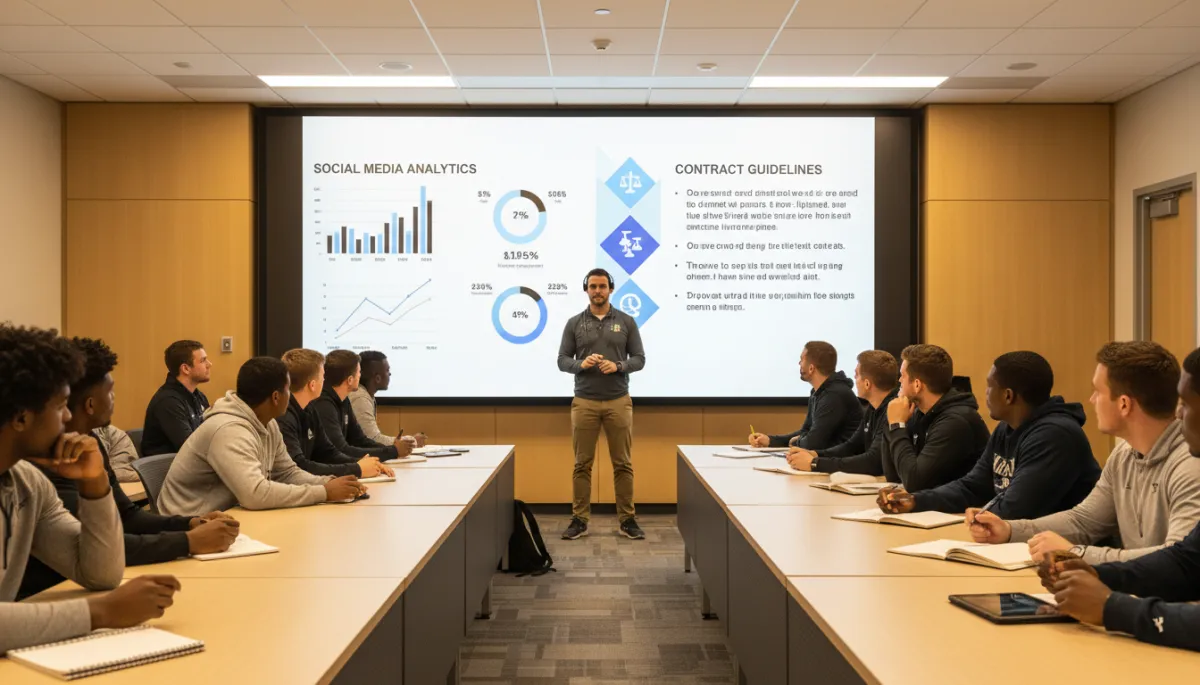
NIL workshops are now standard recruiting proof that schools invest in athletes as entrepreneurs.
Earlier, Smarter and More Regulated NIL Conversations
Another major shift in 2026 is timing. Under recent NCAA changes and a 2025 consent judgment, prospects and transfers can now negotiate and even sign legitimate NIL contracts before they enroll, and schools are allowed to assist in those negotiations (ncaa.org). That has pulled NIL discussions squarely into the recruiting period, not just the moment an athlete arrives on campus.
At the same time, stricter oversight—from the NCAA’s NIL clearinghouse to the College Sports Commission’s review process—means more deals are being rejected or delayed for insufficient documentation or unrealistic compensation. Rejection rates have climbed above 5% as filters tighten (nilnewsstand.com, dropback.com). Savvy programs now sell themselves as trustworthy guides through this maze, stressing transparency after surveys revealed that a majority of athletes have experienced NIL promises that never materialized (sportsbusinessjournal.com).
Managing Team Culture in the NIL Era
NIL has also forced coaches to rethink how they build and protect team culture. Disparities in earnings are inevitable—star quarterbacks and All‑American guards will command more than role players. In 2026, successful programs address this head‑on in recruiting:
Setting expectations that NIL is performance‑ and effort‑driven, not guaranteed.
Highlighting team‑wide opportunities—such as group deals, community events and shared revenue campaigns—to avoid a purely individualistic atmosphere.
Using leadership councils and sports psychologists to help athletes navigate the pressure of being, in effect, small business owners while still students (axios.com).
What Recruits and Families Now Ask First
Ultimately, NIL in 2026 has changed the questions that drive recruiting visits. Instead of only asking, “How will you develop me as a player?” families now ask:
What does your NIL track record look like for players at my position and in my sport?
Who will help me evaluate contracts, manage taxes and stay compliant with NCAA and federal rules?
How will you help me build a brand that still matters if I never play professionally?
Programs that can answer those questions clearly—backed by data, real examples and a robust support system—are the ones winning recruiting battles in the NIL era. As federal lawmakers debate national standards and courts weigh new challenges, one thing is already clear in 2026: NIL is no longer an add‑on to recruiting strategy. It is the strategy.
📌 Key Takeaway: If your program isn’t leading with NIL clarity, education and proof, you’re already behind schools that are.
💡 Pro Tip: Want to stress‑test your NIL recruiting pitch or build a clearer roadmap for prospects and families? Book a free 30‑minute consultation with our NIL strategy team to review your current approach, identify quick wins, and map out a sustainable plan for 2026 and beyond.