
NCAA D1 Updates Visit Rules for Better Athlete Experience
College Sports, NCAA Recruiting
NCAA D1 Updates Official Visit Rules and Aims to Improve the Athlete Experience
NCAA Division I recruiting is changing fast. New official visit rules and broader reforms are reshaping how high school prospects explore campuses and how colleges support student‑athletes once they arrive. Here’s what families, coaches, and recruits need to know now.
NCAA D1 Updates Official Visit Rules: What Changed?
Official visits have always been a cornerstone of the recruiting process. They are the trips where a school can pay for a prospect’s transportation, lodging, meals, and reasonable entertainment for the recruit and their parents or guardians. In contrast, unofficial visits are paid for by the family. Division I has now modernized several key parts of this system.
Unlimited Official Visits Across Division I
Since July 1, 2023, prospects can take unlimited official visits to Division I schools. The old cap of five total official visits across all colleges is gone. This gives recruits more freedom to compare campuses, coaching staffs, and academic environments without worrying about “using up” a precious visit too early.
There is still a limit of one official visit per school, with two key exceptions:
A second visit is allowed if there is a head coaching change at that institution.
In men’s basketball, a prospect may take a second official visit to the same school, as long as it does not occur in the same academic year.
Earlier Start Date and Standard Time Limit
For most sports, recruits can now begin taking both official and unofficial visits starting on August 1 before their junior year of high school. This is a significant shift from older rules that pushed most official visits into a prospect’s senior year.
The NCAA still limits an official visit to roughly 48 hours. That window is designed to give prospects enough time to see campus, meet the team and coaching staff, and get a feel for academic and support services, without overwhelming their class and competition schedules.
Sport-Specific Waivers and the Push for Consistency
In recent years, some sports operated under special waivers. Football, for example, saw the cap on the number of official visits a program could host lifted for the April 1, 2025–March 31, 2026 cycle, while men’s and women’s basketball had blanket waivers through mid‑2025.
The move to unlimited official visits across Division I prospects is part of a broader effort to replace these temporary fixes with clear, permanent legislation so families can better understand the process, regardless of sport.
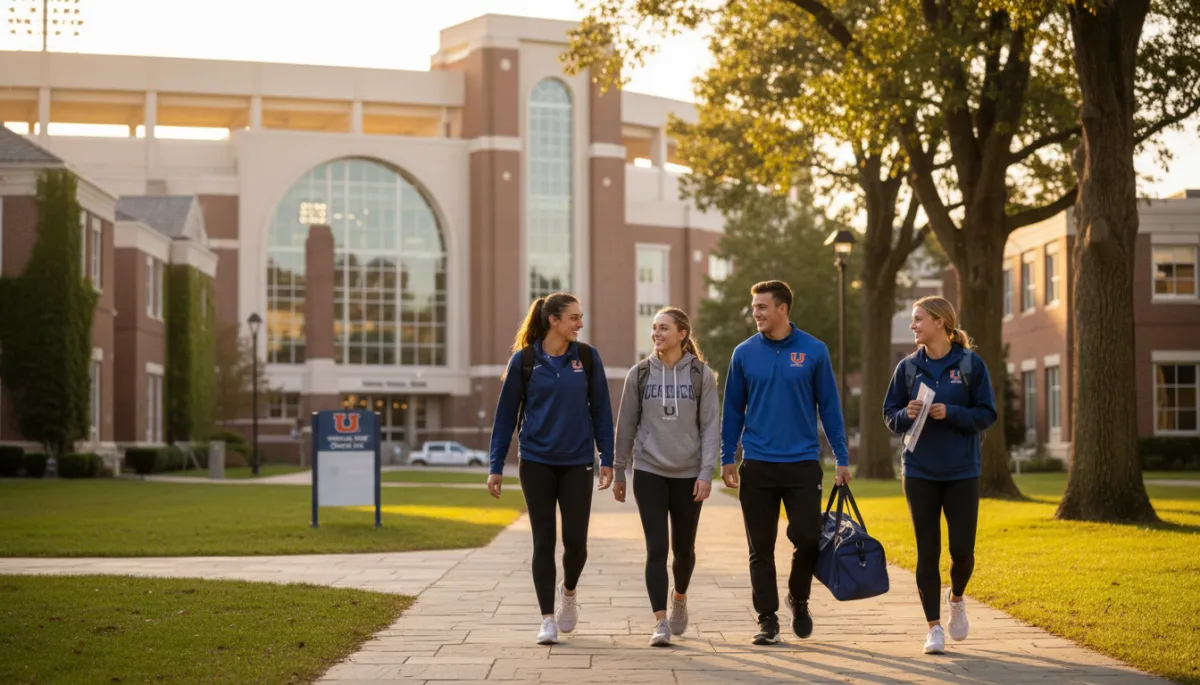
Expanded visit flexibility lets families focus on fit, not just the calendar.
How the New Rules Aim to Improve the Athlete Experience
The official visit changes are just one piece of a much larger NCAA strategy: to make college sports more athlete‑centered. From recruiting through graduation, Division I leaders have emphasized academic support, mental health, and fairer competitive opportunities in their 2026 strategic plan.
Better Information and Less Pressure During Recruiting
Unlimited official visits give athletes more chances to see how a program truly operates—on the field, in the classroom, and in daily campus life. Being able to visit earlier, starting August 1 before junior year, also spreads out the process. Instead of cramming all travel into one senior‑year rush, families can plan visits around schoolwork, club seasons, and budgets.
Aligning Visits With Academic and Well‑Being Priorities
During official visits, schools increasingly highlight more than just facilities and game‑day atmospheres. Many programs now build in time with academic advisors, learning specialists, and mental health professionals so recruits can see the full support system they would have on campus.
This reflects a broader push to:
Provide stronger academic support—including tutoring, study halls, and flexible scheduling.
Expand health and wellness services, especially mental health resources and injury‑prevention programs.
Improve quality of life through better housing, nutrition plans, and travel arrangements.
Connecting Visit Rules to Bigger Eligibility and NIL Reforms
The official visit updates also sit alongside sweeping changes to eligibility and pre‑enrollment rules. Beginning with prospects enrolling in fall 2027, Division I will move to an age‑based “five‑in‑five” eligibility model, offering five seasons of competition over five years and simplifying redshirt and waiver questions.
At the same time, prospects now have more flexibility to:
Enter a professional draft once and withdraw without losing eligibility.
Work with agents before enrolling, not just for Name, Image and Likeness (NIL) deals but for broader representation.
Accept prize money before college without jeopardizing their amateur status.
Combined with ongoing NIL opportunities, these shifts are meant to give athletes more control over their careers while they use official visits to choose the right campus home.
What Recruits and Families Should Do Next
With unlimited official visits and earlier timelines, planning becomes crucial. Families should map out potential visit dates starting August 1 before junior year, prioritize schools that fit both academically and athletically, and use each 48‑hour window to ask detailed questions about support systems, NIL education, and long‑term development.
💡 Pro Tip: Before every official visit, prepare a written list of questions about academics, mental health resources, housing, and career development—not just playing time and facilities.
Rules will continue to evolve, but the direction is clear: NCAA Division I is trying to make recruiting more transparent and the college experience more supportive. To stay current, always check the NCAA Eligibility Center and your prospective school’s compliance office for sport‑specific guidance before scheduling visits or making major decisions.
If you’d like help building a visit plan or evaluating offers, book a one‑on‑one recruiting consultation with our team today and get personalized guidance for your family’s next steps.