NCAA Banned Substances: What Parents Need to Know About Sports Supplements
As parents, we spend a lot of time focusing on training, camps, recruiting, academics, and highlight films. But there's one area many families overlook that could have serious consequences for a student-athlete's future:
Sports supplements.
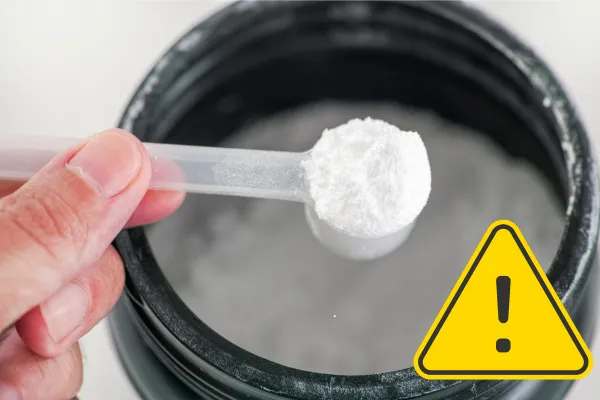
Many athletes take protein powders, pre-workouts, recovery drinks, fat burners, and performance supplements without fully understanding what's inside them. Unfortunately, some products contain ingredients that may be banned by the NCAA or other athletic organizations.
Why This Matters
Many supplement companies market directly to young athletes using promises of increased strength, faster recovery, more energy, or improved performance.
The problem?
The supplement industry is not regulated as strictly as prescription medications.
Some products may contain:
Banned stimulants
Prohibited performance-enhancing ingredients
Unlisted substances not shown on the label
Contaminated ingredients
Even if an athlete didn't intentionally take a banned substance, they can still face eligibility issues if they test positive.
Parents Need to Be Involved
One of the simplest ways to protect your athlete is to know exactly what supplements they are taking.
Ask questions like:
What is the product?
Why are you taking it?
Who recommended it?
Has anyone verified the ingredients?
If your athlete can't explain why they're taking it, that's a red flag.
Use NSF Certified for Sport®
Before purchasing any supplement, families should check whether it has been independently tested through NSF Certified for Sport®.
The NSF Certified for Sport program tests products for:
Banned substances
Contaminants
Label accuracy
Product safety
This certification is trusted by professional sports organizations, collegiate athletic programs, and Olympic athletes.
Check Supplements Here:
Parents can search the database and verify whether a product has been certified and tested.
Common Supplements That Require Extra Caution
Pay close attention to:
Pre-workout supplements
Fat burners
Testosterone boosters
Muscle-building supplements
Energy products
Weight loss supplements
These categories are more likely to contain questionable ingredients or stimulants.
Food First, Supplements Second
Most high school athletes can meet the majority of their nutritional needs through:
Quality protein sources
Fruits and vegetables
Proper hydration
Consistent meals
Adequate sleep
Supplements should never replace good nutrition habits.
Protect Your Athlete's Future
College coaches recruit athletes based on talent, character, and trust.
The last thing any family wants is for an athlete's opportunities to be impacted by a supplement they didn't fully understand.
Before your athlete starts taking any new product, take a few minutes to research it, discuss it as a family, and verify it through NSF Certified for Sport.
A simple check today could help protect your athlete's eligibility tomorrow.
Schedule a Free Recruiting Consultation
At Full Ride University, we help families navigate every aspect of the recruiting process—from exposure and coach communication to NCAA eligibility and athlete development.
If you have questions about recruiting, eligibility, or preparing your athlete for college athletics, we're here to help.
Click Here Schedule your FREE Recruiting Consultation today.
✅ Recruiting Evaluation
✅ NCAA Eligibility Guidance
✅ Recruiting Timeline Planning
✅ Parent Q&A Session