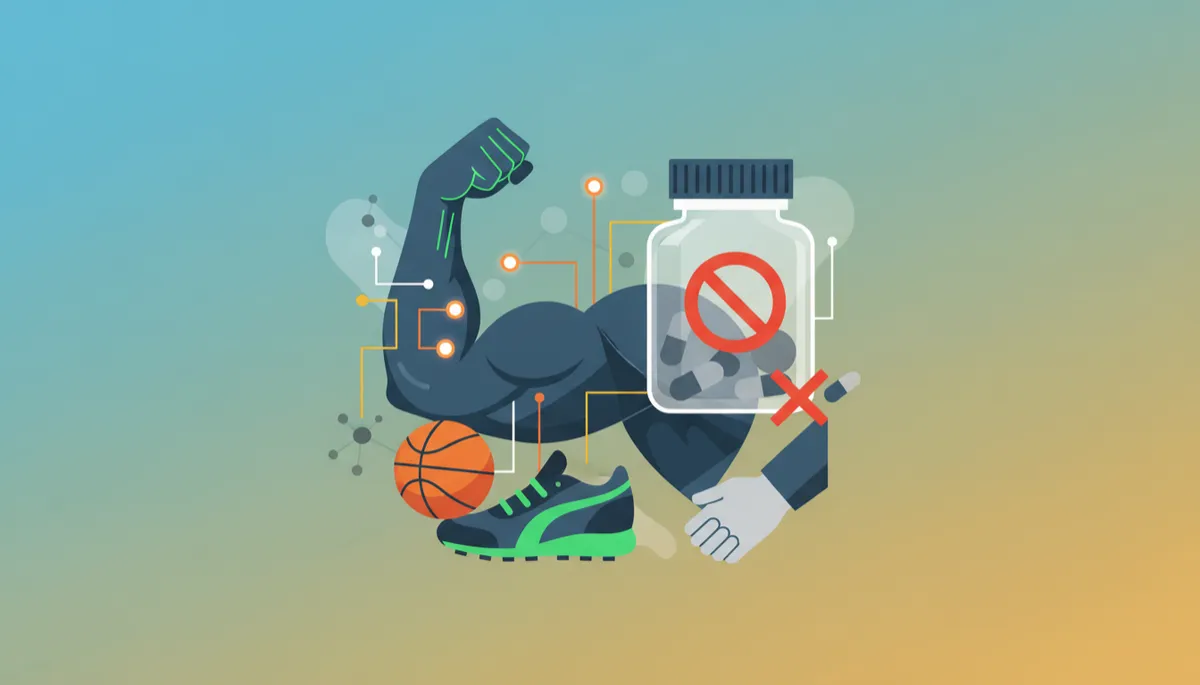
NCAA Banned Substances: Parent's Guide to Safety
Parenting, Youth Sports, Athlete Safety
NCAA Banned Substances: What Parents Need to Know About Sports Supplements
As high school and college athletes look for a competitive edge, many turn to sports supplements. But under NCAA rules, a “simple” protein powder or energy pill can quietly contain banned substances and put your child’s eligibility and health at risk. This guide breaks down what every parent should know before a student‑athlete takes anything off the shelf or online.
Understanding the NCAA Banned Substances List
The NCAA does not approve or certify any supplement products. Instead, it maintains a broad banned substances list that applies to all sports and all divisions. If a student‑athlete tests positive—whether they meant to or not—they are held responsible for what is in their body, not what was on the label.
The list is organized into major categories, including:
Stimulants – such as amphetamine‑like compounds, many “fat burners,” and some strong pre‑workouts that boost energy and focus.
Anabolic agents – including anabolic steroids and prohormones marketed for rapid muscle gain or “testosterone support.”
Diuretics and masking agents – products that change urine volume or chemistry and can hide other drugs.
Street drugs – including marijuana (THC), cocaine, and others that can still trigger NCAA sanctions even if legal at the state level.
Peptide hormones and growth factors – like human growth hormone (hGH) and similar performance‑enhancing substances.
Many of these substances do not appear with obvious names. They may be listed under unfamiliar chemical terms or hidden in “proprietary blends,” making it nearly impossible for families to spot every risk by reading the label alone.
📌 Key Takeaway: Under NCAA rules, a positive test is the athlete’s responsibility—even if a supplement label was misleading or incomplete.
Why Sports Supplements Are Risky for Student‑Athletes
In the United States, most sports supplements are regulated as foods, not as medications. That means companies can bring products to market without proving they are safe, effective, or accurately labeled. Independent testing frequently finds:
Undeclared ingredients – substances not listed on the label, sometimes including banned stimulants or steroid‑like compounds.
Cross‑contamination – products made on shared equipment picking up traces of prohibited substances from other batches.
Megadoses – far higher amounts of caffeine or other stimulants than a young body can safely handle, raising the risk of heart problems, anxiety, or sleep disruption.
For a college athlete, one contaminated scoop of pre‑workout can mean a failed drug test, loss of a season, and long‑term health consequences. For a high school athlete hoping to compete in college, it can damage trust with coaches and derail recruiting conversations before they even begin.
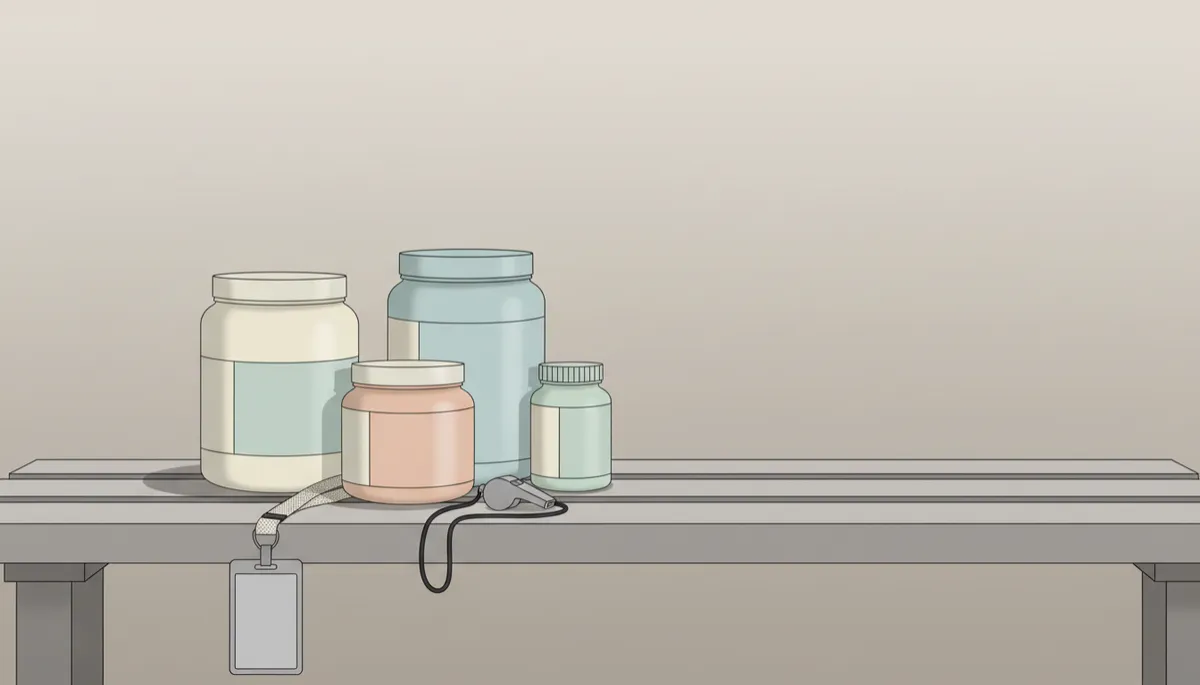
Even everyday-looking supplements can contain hidden ingredients that trigger NCAA violations.
What Parents Need to Know Before Their Athlete Uses Supplements
As a parent, you do not need to memorize every item on the NCAA banned substances list. Instead, focus on building a cautious, informed approach around any supplement use. Consider these steps before your child takes a single pill, powder, or drink marketed for performance:
Start with food, sleep, and training. Emphasize balanced meals, hydration, regular sleep, and well‑designed strength and conditioning. These are safe, legal, and proven performance boosters that carry no risk of NCAA violations.
Loop in qualified professionals. Encourage your athlete to speak with the school’s sports dietitian, athletic trainer, or team physician before using any supplement. These professionals are trained to interpret the NCAA rules and evaluate product risk.
Use third‑party tested products—if supplements are still needed. Look for independent certification seals (such as programs that test for banned substances) and verify products through those organizations’ websites. Even then, no product is 100% risk‑free, but third‑party testing significantly reduces the odds of contamination.
Be skeptical of “miracle” claims. Promises of rapid muscle gain, extreme fat loss, or “legal steroids” are red flags. Products marketed this way are more likely to include banned or unsafe ingredients, whether listed or hidden.
Remind your athlete about personal responsibility. Help them understand that “I didn’t know” does not protect them from NCAA consequences. This awareness often makes student‑athletes more cautious and more willing to ask for guidance.
💡 Pro Tip: Sit down with your athlete once a year to review the school’s most recent NCAA drug‑testing and supplement education materials together.
Helping Your Athlete Make Safe, Informed Choices
Performance pressure is real, and supplement marketing speaks directly to young athletes’ dreams of standing out. Your role is not to memorize every chemical name, but to create space for open, judgment‑free conversations about what they are taking and why. When in doubt, encourage your student‑athlete to skip the supplement and seek professional advice instead of risking their health and eligibility for a quick fix.
🎯 Ready to Get Noticed? Join our free Facebook group for football parents — recruiting education, real wins from real families, and direct guidance from a former zero-star recruit turned ACC & SEC starter. Click here to join the group and start getting your athlete in front of the right eyes.