
NCAA Division I's New Age-Based Eligibility Rules
NCAA, College Sports, Eligibility Rules
NCAA Division I Adopts Age‑Based Eligibility Model: What It Really Means
A landmark shift in NCAA Division I rules is reshaping how long student‑athletes can compete, replacing decades of redshirt math with a simpler age‑based eligibility model.
A New Eligibility Era for NCAA Division I
On June 23, 2026, NCAA Division I leaders unanimously approved a sweeping change to how long student‑athletes can compete. Division I, the NCAA’s highest level of competition and home to the largest programs and media contracts, is moving away from its long‑standing “four seasons in five years” rule. In its place comes an age‑based eligibility model designed to be clearer, fairer, and easier to manage in today’s fast‑moving college sports landscape (NCAA, 2026).
The change is more than a technical tweak. It reshapes how coaches plan rosters, how prospects map their paths from high school to college, and how current athletes think about the remaining years they have in uniform across Division I campuses nationwide.
How the Age‑Based Eligibility Model Works
Under the new framework, Division I student‑athletes receive five seasons of competition within a five‑year window. But instead of counting strictly from the day they first appear on a college roster, the clock is tied to age and enrollment:
The eligibility clock starts at the earlier of: initial full‑time college enrollment or the beginning of the academic year after the athlete’s 19th birthday.
Within that five‑year window, athletes may compete in up to five seasons, instead of the traditional four.
This design intentionally removes the familiar maze of redshirts and one‑off waivers. The age‑based model eliminates most extensions and exceptions, replacing them with a handful of narrow carve‑outs for pregnancy, active‑duty military service, and official religious missions, as long as the athlete does not take part in organized competition during that time (NCAA, 2026).
💡 Key Point: In Division I, “redshirt” seasons and most hardship waivers will no longer define eligibility. Age and a five‑year window will.
Who Is Affected and When
The NCAA has built in a transition period to avoid blindsiding current Division I athletes:
Fall 2027 and beyond: Anyone enrolling full‑time for the first time in fall 2027 will fall only under the age‑based model—no alternative system applies.
Fall 2026 enrollees and current Division I athletes with eligibility left after the 2025–26 academic year can use whichever system is more favorable: the previous “four seasons in five years” model or the new age‑based rules.
Athletes who already used their final season in 2025–26 do not gain extra eligibility under either model.
There is also a final window for schools to file waivers under the old structure for situations that occurred on or before the 2025–26 academic year. Those requests, including hardship or clock‑extension waivers, must reach the NCAA by July 31, 2026; after that date, the age‑based model becomes the default and waivers of that kind will no longer be considered (NCAA, 2026).
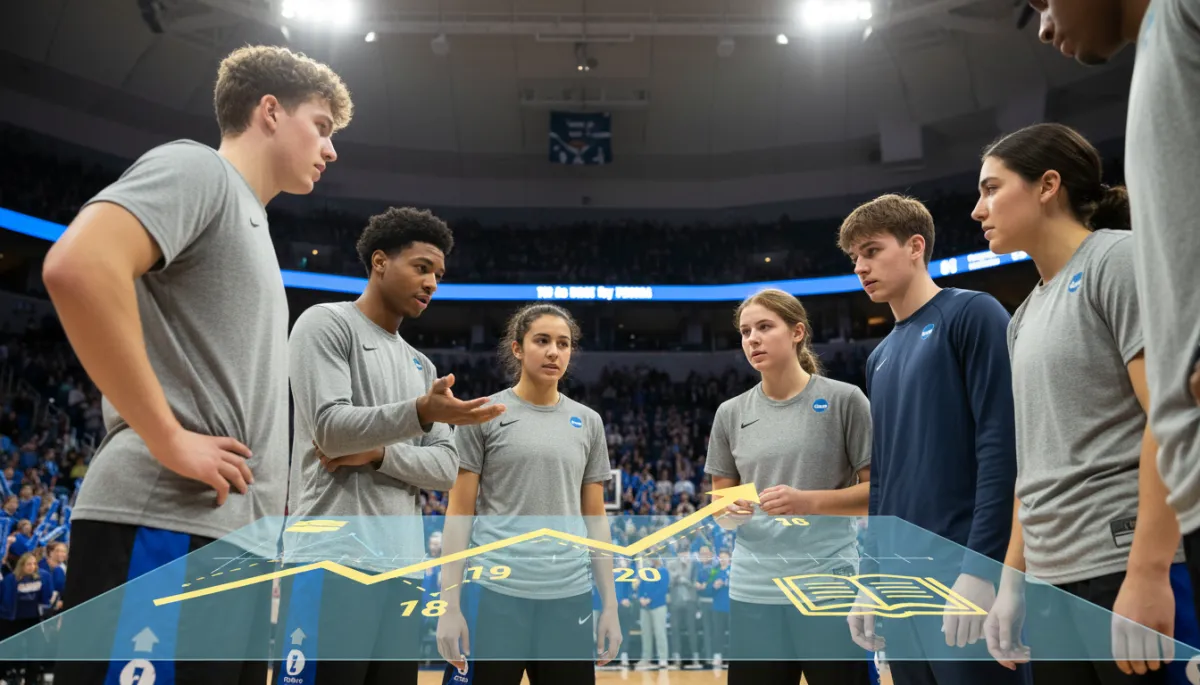
Clearer age-based rules help Division I athletes plan five competitive seasons with fewer surprises.
Why Division I Is Moving to an Age‑Based System
The NCAA’s stated goal is to simplify eligibility and better align it with the reality of college life. Roughly 98% of Division I student‑athletes never play professionally, meaning their most important credential is a degree, not an extra year of competition (NCAA, 2026). An age‑based model encourages athletes to move through college on a more typical academic timeline, rather than stacking redshirt years and waivers that can stretch a career far beyond four seasons.
For Division I athletic departments, the new model promises fewer roster logjams and less administrative guesswork. Instead of tracking dozens of individualized waiver decisions, compliance offices can work from a more predictable standard tied to age and enrollment. At the same time, the NCAA hopes to reduce legal disputes tied to eligibility decisions in the transfer‑heavy, NIL‑driven era.
What the Change Means for Student‑Athletes and Programs
For individual Division I athletes, the age‑based eligibility model brings both clarity and trade‑offs. On the plus side, many will gain access to a fifth competitive season within a defined five‑year span, which can be especially valuable for late bloomers or those adjusting to the college game. Prospects and their families can more easily understand how gap years, delayed enrollment, or international schooling might affect the eligibility clock, because the rules are anchored in age rather than a patchwork of exceptions.
On the other hand, older or non‑traditional students may feel the squeeze if they approach or pass the age threshold before enrolling. International athletes, whose academic calendars and development paths often differ from U.S. norms, will need careful guidance from the NCAA Eligibility Center to ensure their Division I opportunities are not unintentionally shortened (NCAA Eligibility Center).
📌 Bottom Line for Division I: The age‑based model trades flexibility on the margins for a clearer, more consistent experience for most student‑athletes.
Looking Ahead
As the age‑based eligibility model rolls out across NCAA Division I, the early years will be crucial. Compliance staffs will be busy educating coaches, athletes, and families; prospects in the classes of 2026 and 2027 will weigh which rules best fit their path; and programs will refine recruiting strategies around this new five‑for‑five reality. But the core idea is straightforward: tie eligibility to age and a clear window, so that student‑athletes can focus less on navigating exceptions and more on competing, learning, and graduating on time.
✅ Next Step: If you’re a student‑athlete, parent, or coach navigating these new rules, we can help you map out your specific eligibility timeline and options. Book a free consultation today to review your situation one‑on‑one and build a clear plan forward.