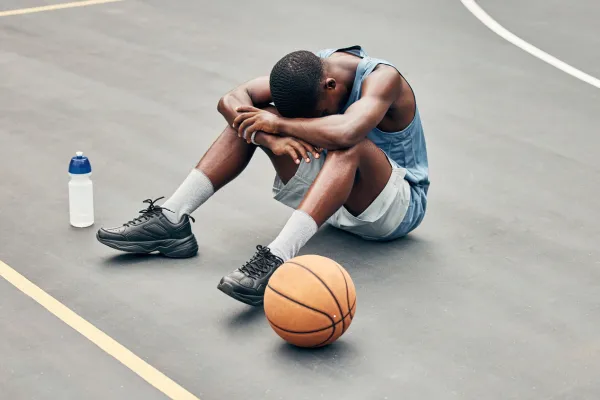
Managing Competition Anxiety for Student-Athletes
Sports Psychology, Student-Athletes
Managing Competition Anxiety: Practical Tips for Student-Athletes
Balancing schoolwork, training, and big-game pressure can leave any student-athlete feeling overwhelmed. With the right tools, though, you can turn competition anxiety into focused energy and perform with more confidence and joy.
Understanding Competition Anxiety
Competition anxiety is the nervousness, worry, or fear that shows up before and during games, races, or meets. It can look like a racing heart, sweaty palms, shaky legs, or a mind full of “what if I mess up?” thoughts. For student-athletes juggling academics and sport, this pressure can feel especially intense, because every performance seems to say something about your identity, your future, or your worth to coaches and teammates.
A key mindset shift is recognizing that anxiety is not a sign of weakness. It is your body’s natural way of preparing for something important. The goal is not to eliminate nerves, but to manage them so they sharpen your focus instead of controlling you. When you learn to work with your anxiety rather than fight it, you free up energy to compete at your best.
Before the Game: Build a Calm Foundation
Managing competition anxiety starts long before the whistle blows. What you do in the hours and days leading up to an event can either fuel your worries or create a sense of control and readiness.
Stick to a pre-game routine. A consistent series of actions — packing your bag, stretching, listening to music, doing a short visualization — signals to your brain, “I’ve been here before; I know what to do.”
Focus on controllables. You can’t control the weather, the referee, or your opponent. You can control your effort, attitude, sleep, hydration, and preparation. Directing your attention there reduces helplessness.
Practice calm breathing. Try inhaling through your nose for four counts, holding for four, and exhaling through your mouth for six. Repeat for a few minutes the night before and on game day to train your body’s “calm response.”
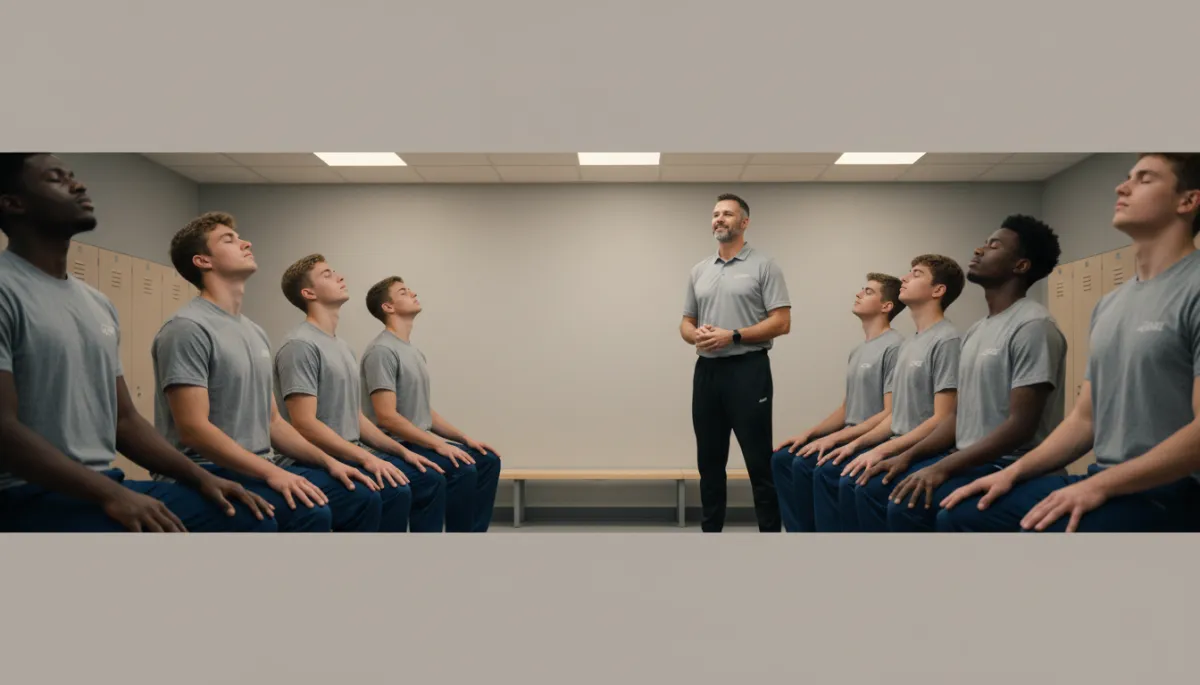
Simple pre-game routines and breathing drills can noticeably lower competition anxiety.
During the Event: Ground Yourself in the Moment
Even with great preparation, nerves will rise as the event begins. The key is having in-the-moment tools you can use between plays, at the starting line, or during timeouts to bring your mind back to the present.
Use “reset” cues. Choose a small action — adjusting your jersey, tapping your shoes, or clapping once — that reminds you to let go of the last play and refocus on the next one.
Talk to yourself like a good coach. Replace harsh self-criticism with short, steady phrases: “Breathe and compete,” “Next play,” or “Trust your training.” Your inner voice is powerful; make it an ally, not an enemy.
Break it into small tasks. Instead of thinking, “I have to win this whole game,” focus on the next serve, the next possession, or the next lap. Small, clear targets keep anxiety from spiraling.
💡 Pro Tip: Practice your reset cues and self-talk in regular training, not just on game day. The more familiar they feel, the more automatic they become under pressure.
Balancing School, Sport, and Expectations
Many student-athletes feel anxious not only about performance but also about grades, scholarships, and what others think. Managing this bigger picture stress is just as important as handling pre-game jitters. Create a weekly schedule that includes study blocks, rest, and social time so that your life doesn’t feel like an endless sprint. When your days are structured, your mind has fewer reasons to race.
It also helps to talk openly with coaches, teachers, or school counselors when you feel overwhelmed. Asking for support — an extension on an assignment after a long road trip, or clarity on your role on the team — can prevent anxiety from building in silence. Remember, you are a whole person, not just a stat line or GPA.
Redefining Success as a Student-Athlete
One of the most powerful ways to manage competition anxiety is to redefine what “success” means. If winning or scoring perfectly is the only outcome that feels acceptable, pressure will always be sky-high. Instead, set process goals — such as “stay aggressive on defense,” “commit to my race plan,” or “communicate clearly with teammates” — that you can achieve regardless of the final score.
Over time, this shift from outcome to effort builds resilience and confidence. You start to see each competition as feedback, not a final judgment of your talent or potential. That mindset not only lowers anxiety, it also makes sport more enjoyable — which is why you started playing in the first place.
Final Thoughts: Turning Nerves into an Advantage
Managing competition anxiety as a student-athlete is an ongoing skill, not a one-time fix. By building steady routines, using in-the-moment tools, and keeping school and sport in perspective, you can transform nervous energy into focused intensity. The more you practice these strategies, the more familiar pressure will feel — and the more prepared you’ll be to meet it with composure, courage, and your best performance when it matters most.
📌 Key Takeaway: If competition anxiety is starting to affect your performance, mood, or love for your sport, you don’t have to figure it out alone. Click below to book a free consultation with our sports psychology team and get personalized tools to help you compete with more confidence and calm.