FCS vs. FBS: Understanding Division I Football
College Football, NCAA Division I
FCS vs. FBS: How Division I College Football Is Split
Division I college football is divided into two distinct subdivisions: the Football Bowl Subdivision (FBS) and the Football Championship Subdivision (FCS). Understanding how and why this split exists helps fans make sense of bowl games, the College Football Playoff, and the FCS national championship every fall.
One Division, Two Subdivisions: The Basics of the Split
At the top of NCAA football sits Division I, but it is not a single, uniform tier. Instead, Division I football is split into:
FBS (Football Bowl Subdivision) – the higher-resourced programs that compete in bowl games and the College Football Playoff.
FCS (Football Championship Subdivision) – Division I programs that compete in a traditional bracketed playoff for a national championship.
Both are fully Division I in every other sport. The split exists specifically for football, reflecting differences in scholarships, budgets, stadium sizes, and postseason formats rather than talent or legitimacy. Many FCS schools are powerhouses in other sports and share the same academic and athletic profiles as FBS institutions.
What Sets FBS Apart? Scholarships, Size, and Bowls
The FBS includes the largest, most visible programs – think Alabama, Ohio State, Texas, and USC. These schools typically have:
More football scholarships – up to 105 full scholarships, usually not split into partial awards.
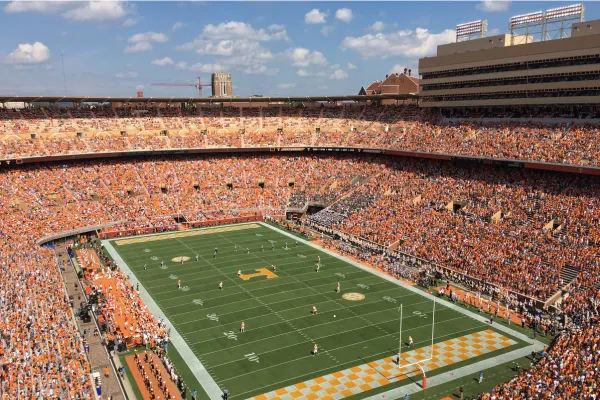
Larger stadiums and budgets – crowds often exceed 50,000, with some venues holding over 100,000 fans.
Bowl game postseason – teams that reach the required win total become eligible for bowl games, while the top four are selected for the College Football Playoff to determine a national champion.
FBS conferences, such as the SEC, Big Ten, ACC, Big 12, and others, negotiate major television contracts and media deals. That money fuels facilities, coaching salaries, recruiting budgets, and the large-scale game-day experiences that many fans associate with “big-time” college football.
Inside the FCS: Playoffs, Parity, and Regional Rivalries
The FCS features smaller, often more regionally focused programs such as North Dakota State, Montana, and James Madison (before its move to FBS). These schools operate with:
Fewer scholarships – can be divided into partial scholarships to spread aid among more players.
Smaller stadiums – crowds typically range from a few thousand to around 20,000–25,000, creating intimate atmospheres.
A true national playoff – a multi-round, bracketed tournament culminating in the FCS national championship game.
For many fans, the FCS playoff format feels more familiar, mirroring the brackets used in other NCAA sports. It offers clear paths to a title and regularly produces underdog runs and dramatic December football, even if the spotlight is smaller than in FBS.
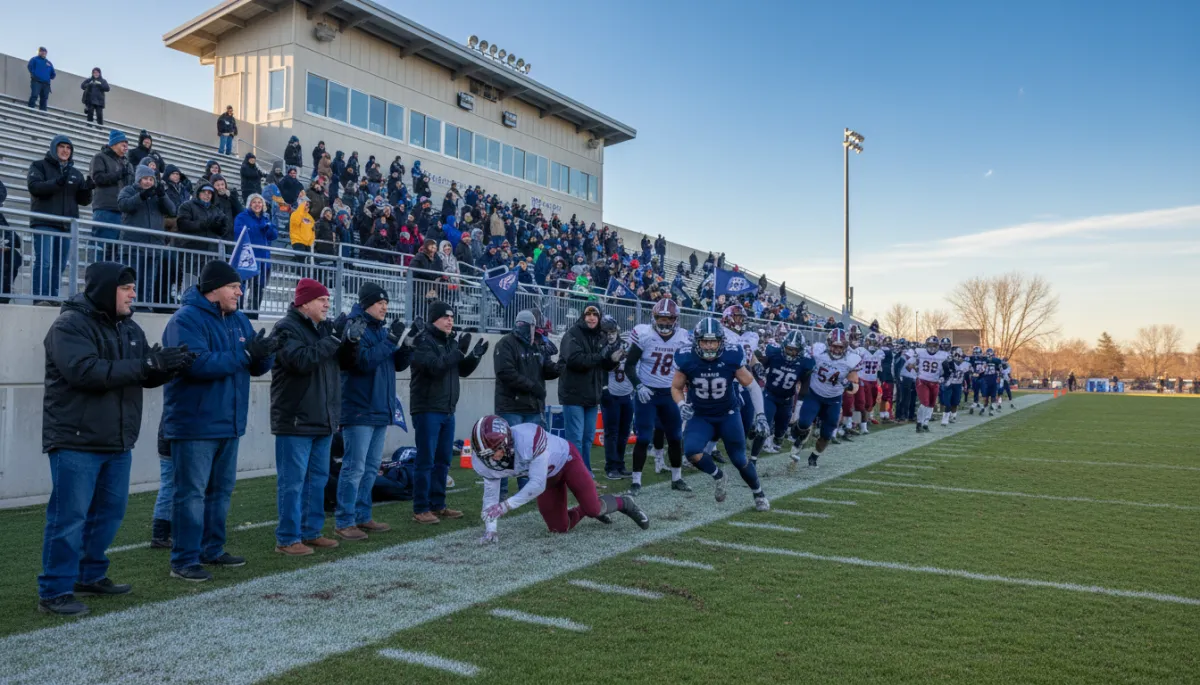
FCS programs chase a bracketed national title that stretches deep into December.
How Division I Football Is Structured Beyond the Labels
Within Division I, conferences play a major role in organizing both FBS and FCS competition. Each conference sets its own schedules, crowns a champion, and negotiates media exposure. Some leagues sponsor football at the FBS level, others at the FCS level, and a few do not sponsor football at all while still being Division I in other sports.
Schools can move between FCS and FBS, but it is a lengthy process that involves meeting attendance benchmarks, increasing scholarships, and investing in facilities. Recent realignment waves have seen several programs “move up” to FBS in pursuit of larger revenues and visibility, while others remain committed to the FCS model that better fits their size and mission.
FCS vs. FBS: Different Paths, Same Passion
In the end, the FCS–FBS divide is less about who plays “real” Division I football and more about scale and structure. FBS leans into massive stadiums, bowl traditions, and the College Football Playoff. FCS leans into regional rivalries, scholarship flexibility, and a classic bracketed postseason. Together, they form the full picture of Division I college football – two different routes, united by the same fall Saturdays, marching bands, and passionate fan bases.
📌 Key Takeaway: Whether you’re competing at the FBS or FCS level, the right recruiting strategy is what turns your program’s vision into reality.
Get instant access to the Recruiting Launch Kit now and give your staff a proven framework to compete off the field as hard as you do on Saturdays.