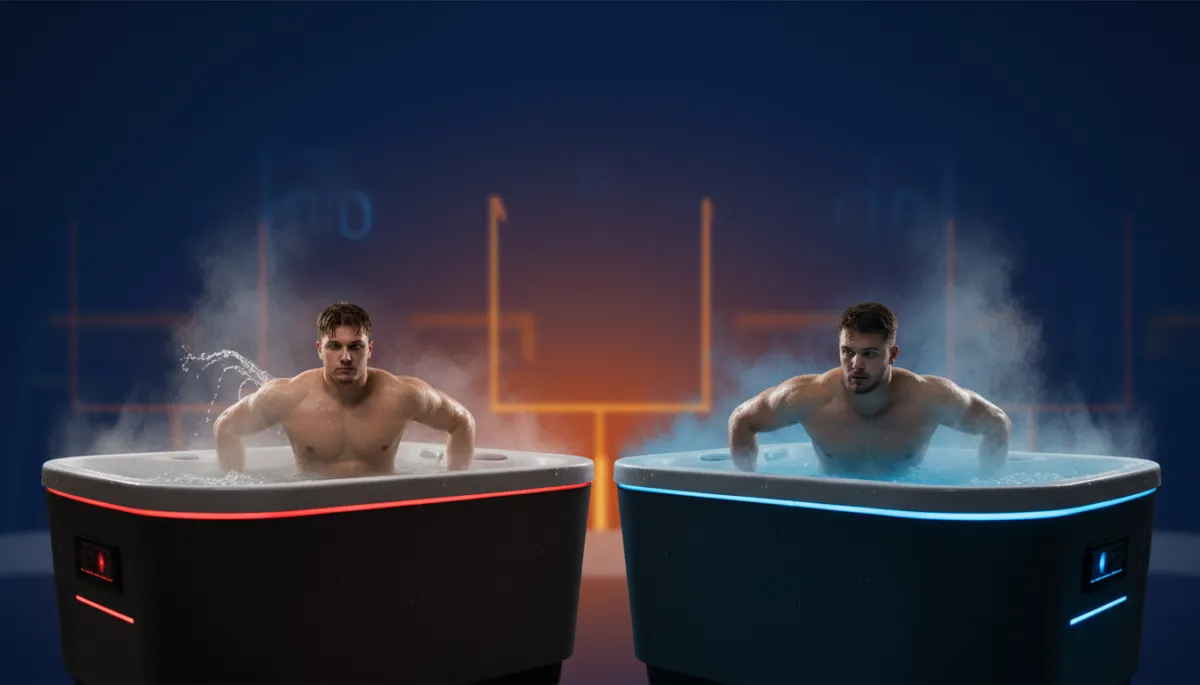
Contrast Therapy: Boost Football Recovery & Performance
Football, Recovery, Contrast Therapy
Contrast Therapy for Football Recruits: How Cold and Hot Tubs Aid Recovery and Performance
For aspiring football recruits, the grind never really stops. Between early-morning lifts, afternoon practices, and weekend showcases, recovery can make the difference between staying sharp and breaking down. Contrast therapy—alternating between cold tubs and hot tubs—has become a go-to strategy for athletes who want to bounce back faster and perform at their peak.
What Is Contrast Therapy?
Contrast therapy is a recovery method that involves alternating between cold and hot water immersion. Athletes typically spend a few minutes in a cold tub, followed by a short session in a hot tub, and repeat this cycle several times. The goal is to use temperature changes to support circulation, reduce soreness, and help the body reset after intense effort.
For football recruits juggling practices, lifts, and camps, this approach can be especially valuable. The repeated narrowing and widening of blood vessels—often called a “pumping” effect—may help move metabolic waste out of tired muscles and bring in fresh, oxygen-rich blood that supports recovery.
Cold Tubs: Controlling Inflammation and Soreness
Cold tubs, sometimes called ice baths, are usually kept between 50–59°F (10–15°C). When a recruit steps into a cold tub after a hard practice or game, the chilly water causes blood vessels to tighten and can temporarily slow down swelling and inflammation in overworked muscles and joints. This is especially helpful after repeated sprints, heavy contact, or high-volume strength sessions.
Many athletes also report that cold immersion helps take the edge off muscle soreness the next day. While individual responses vary, short, controlled sessions—often 3–5 minutes at a time—can make it easier for recruits to show up to the next workout feeling fresher and more prepared to move well, rather than stiff and sluggish.
Hot Tubs: Relaxation, Blood Flow, and Mobility
Hot tubs, usually set around 95–104°F (35–40°C), offer the opposite effect. Warm water encourages blood vessels to widen, which can increase blood flow to tired muscles. For football recruits, this warmth can ease tightness in the hips, hamstrings, and lower back—areas that take a beating from sprinting, cutting, and contact drills.
Beyond the physical benefits, hot tubs also promote relaxation. The gentle heat can help recruits unwind mentally after the stress of practices, film sessions, and recruiting conversations. A calmer nervous system sets the stage for better sleep, which is one of the most powerful recovery tools an athlete has.
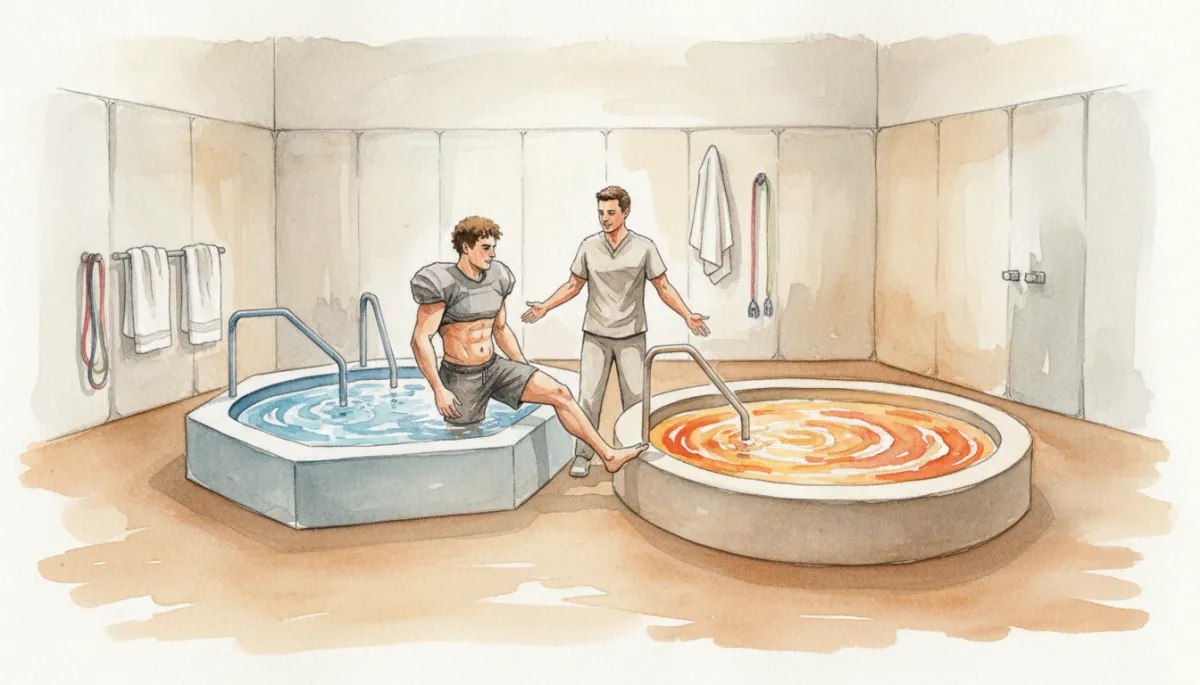
Structured contrast sessions help recruits manage soreness and stay consistent through long seasons.
How Contrast Therapy Supports Recovery
When cold and hot tubs are combined in contrast therapy, recruits get a blend of benefits. The cold phase may help limit excessive inflammation and dull soreness, while the hot phase encourages circulation and relaxation. Alternating between the two can support the body’s natural repair processes and help athletes feel ready for the next demand on their schedule.
A typical contrast routine might look like three to four rounds of 3 minutes in cold water followed by 3 minutes in hot water. Athletic trainers often adjust time and temperature based on the athlete’s size, training load, and how they respond. The key is consistency—using contrast therapy regularly as part of a broader recovery plan that also includes nutrition, hydration, stretching, and quality sleep.
From Recovery to Performance on the Field
For football recruits, recovery is not just about feeling better—it is about performing better. When soreness is under control and muscles recover more efficiently, athletes can sprint harder, change direction more explosively, and maintain sharper technique throughout practices and games. Over time, this consistency can separate a recruit from the competition in the eyes of coaches and scouts.
Contrast therapy will not replace smart training or sound fundamentals, but it can be a powerful support tool. By making cold and hot tubs a regular part of their routine—under guidance from qualified staff—football recruits can protect their bodies, extend their durability, and give themselves a better chance to showcase their true performance potential when it matters most.
🎯 Ready to Get Noticed? Send us your game film and we’ll build a college‑ready highlight reel that flows, spotlights your best plays, and is easy for recruiters to evaluate in the first 30–60 seconds. Click here to get your highlight tape edited and start standing out on every coach’s screen.