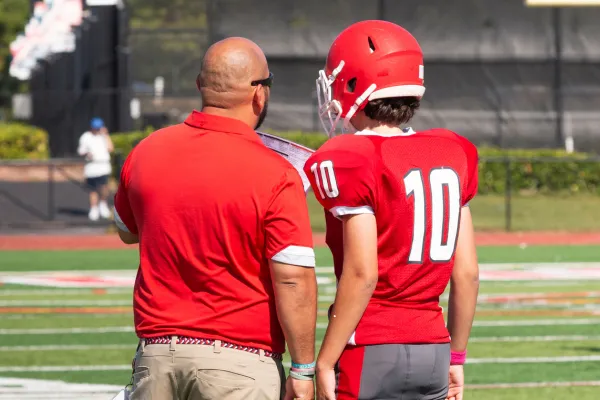
Should You Rely Only on Your High School Coach for College Recruiting? The Truth Every Family Needs to Know
College Recruiting, High School Sports, Student Athletes
Should You Rely Only on Your High School Coach for College Recruiting?
High school coaches can open important doors in the college recruiting process—but depending on them alone can quietly limit your options. Here’s how to think about their role and what you must do yourself.
The Valuable Role Your High School Coach Can Play
Your high school coach is often the first adult outside your family who really understands your athletic potential. They see you at practice, in games, and under pressure. Because of that, they can offer:
Honest evaluation of your current level and realistic college tiers (D1, D2, D3, NAIA, junior college).
Credibility with college coaches who value opinions from coaches they trust and have worked with before.
Game film and stats that accurately showcase your performance over time, not just highlight moments.
Character reference about your work ethic, leadership, and coachability—traits college programs care deeply about.
In a best‑case scenario, your coach becomes a strong advocate: answering calls from college coaches, sending emails on your behalf, and helping you understand which programs might be a good fit. That support matters. But it’s only one piece of a much bigger recruiting puzzle.
The Limits of Relying Only on Your High School Coach
Even the most dedicated coach has limits—time, connections, and perspective. When you rely only on your high school coach for college recruiting, you may run into issues like:
Limited network: Many coaches have strong relationships with a handful of colleges, but not every level, region, or conference where you might fit.
Different priorities: A coach’s main job is winning games and running a program, not managing every athlete’s recruiting campaign from start to finish.
Personal bias: Some coaches overestimate or underestimate players, or push schools they know instead of exploring broader options that might fit you better academically or socially.
Time constraints: With practices, games, teaching, and family, even a supportive coach may not have the hours needed to build your highlight film, email dozens of schools, and track every response.
📌 Key Takeaway: Your coach can open doors, but they rarely have the capacity—or responsibility—to walk you all the way through the recruiting process.
Why You Must Take Ownership of Your Recruiting Journey
College recruiting has changed dramatically. Coaches receive hundreds of emails, watch endless film, and lean heavily on digital platforms. Athletes who wait for someone else to “get them recruited” are usually the ones left wondering what went wrong senior year. Taking ownership means:
Building a clear, honest profile: grades, test scores, position, height, stats, and verified times or marks where relevant.
Creating and updating your own highlight film and full‑game footage, with your coach’s input but not their sole effort.
Researching schools that fit your athletic level, academic interests, and financial reality—then targeting them intentionally.
Reaching out directly to college coaches with personalized emails, sharing your film and schedule, and following up professionally.
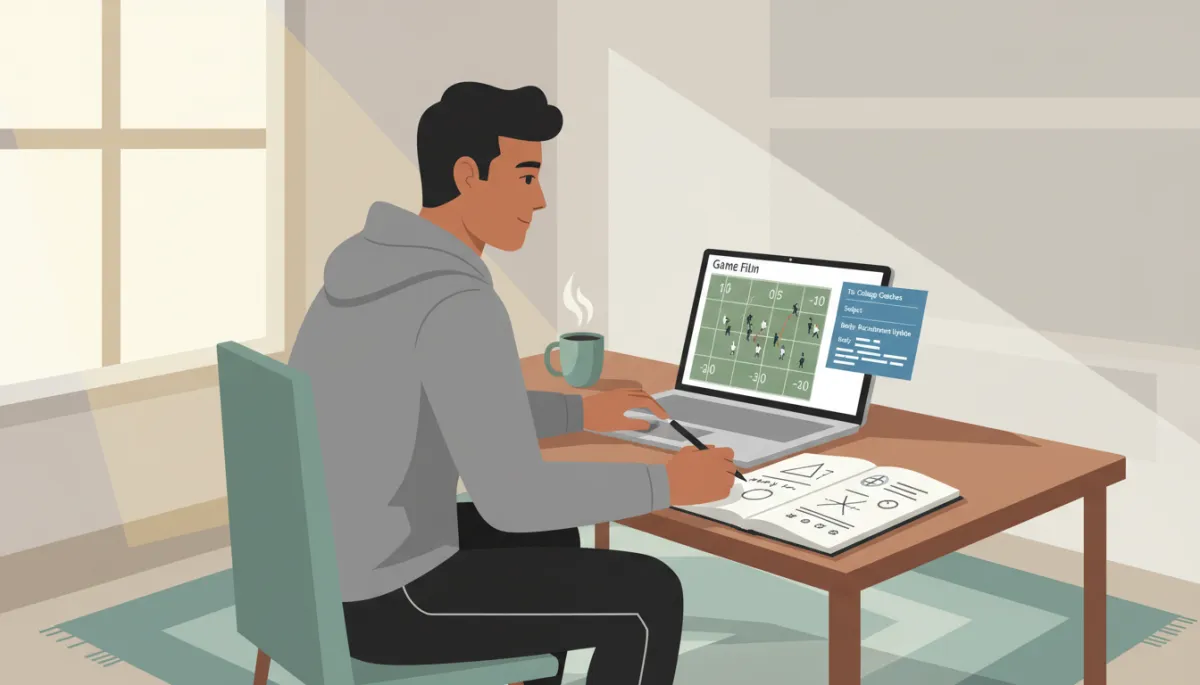
Athletes who drive their own outreach dramatically expand their college recruiting opportunities.
How to Work With Your Coach—Without Depending on Them Completely
The goal isn’t to sideline your high school coach; it’s to make them a partner in a process you lead. You can do that by:
Asking for an honest evaluation of where you might realistically play and being open to the answer.
Sharing your target school list and asking, “Do you know anyone on these staffs?” instead of waiting for them to volunteer names.
Handling your own emails to college coaches, then looping your high school coach in when a staff wants a reference or more information.
Respecting their time—come prepared with film, stats, and questions so your conversations are focused and productive.
💡 Pro Tip: College coaches love athletes who show initiative. When your high school coach can say, “This kid does the work and follows through,” it strengthens your entire recruiting story.
So, Should You Rely Only on Your High School Coach?
In a word: no. Your high school coach can be a powerful ally, but they should never be your only strategy. When you blend their experience and connections with your own effort—research, outreach, academics, and consistent performance—you give yourself the best chance to find a college program where you can thrive.
Your future is too important to leave in anyone else’s hands. Use your coach as a resource, not a crutch, and treat the recruiting process like what it really is: your first major step into owning your athletic and academic career.
Ready for help building your recruiting game plan? Book a free consultation today and get personalized guidance for you and your family.