College Football Weekly Practice Schedule Guide
College Football, Practice Schedule
Breaking Down a College Football Team's Weekly Practice Schedule (Mon–Sat)
A college football week is carefully scripted, balancing physical work, mental preparation, and recovery. Here’s a day‑by‑day look at how most programs structure Monday through Saturday to be ready when kickoff arrives.
Monday: Film Review, Recovery, and Reset
Monday is often called a recovery and reflection day. Players are still sore from Saturday, so the focus shifts from heavy contact to learning and light movement. The team usually begins with position or full‑team meetings, reviewing game film from the weekend. Coaches highlight what went well, correct mistakes, and introduce early thoughts on the next opponent. On the field, work is typically limited to a short, low‑intensity practice or walk‑through, paired with stretching, mobility, and time in the training room for treatment. Strength staff may schedule a lighter lift to promote blood flow and speed up recovery rather than build strength.
Tuesday: The Physical “Work Day”
Tuesday is usually one of the hardest practices of the week. By now, the previous game is in the rear‑view mirror and all attention is on the next opponent. After classroom sessions installing the game plan, the team hits the field in full pads for a long, high‑tempo practice. This day emphasizes physicality and fundamentals: blocking, tackling, inside run periods, and competitive one‑on‑one drills. Offensive and defensive units work against scout teams mimicking the opponent’s schemes. Conditioning is often built into the pace of practice, with short breaks and constant movement to build game‑like stamina. It’s the day when coaches demand intensity and set the tone for the week.
Wednesday: Sharpening the Game Plan
Wednesday remains demanding, but with a slightly different focus. Many teams still practice in full or shells (shoulder pads and helmets), but the goal shifts from raw contact to execution and detail. Position groups polish route combinations, coverage checks, blitz pickups, and run fits. There are extended team periods where the entire offense or defense runs through scripted plays against the scout team. Coaches fine‑tune substitutions, personnel packages, and situational football, such as third‑down, red‑zone, and two‑minute scenarios. By the end of Wednesday, players should feel confident in what the plan is and how it will look at full speed.
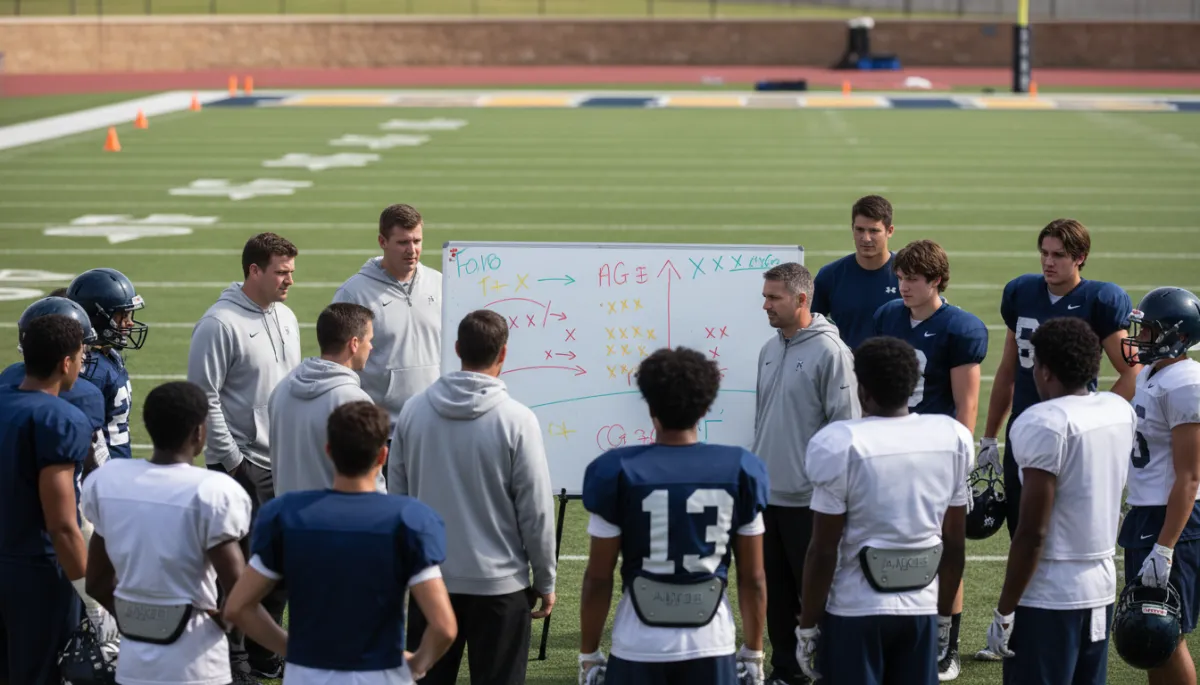
Midweek practices emphasize execution, communication, and situational awareness over heavy contact.
Thursday: Tempo, Timing, and Special Teams
By Thursday, the heaviest work is done. Practices are shorter and usually in helmets and light pads, with contact minimized. The emphasis is on timing, rhythm, and communication. Offense and defense run through the game plan at a brisk pace, often “on air” or against a light scout look. Special teams receive major attention, rehearsing kickoff, punt, field goal, and return units so everyone knows their role. Coaches clean up any remaining confusion—substitution patterns, sideline signals, and situational calls. The goal is to leave the field feeling fast, fresh, and mentally locked in.
Friday: Walk‑Through and Mental Reps
Friday is all about mental preparation. Teams typically hold a walk‑through either on their home field or at the hotel if traveling. Players move at a slow pace, walking through offensive and defensive calls, alignments, and substitutions without any real physical strain. Coaches might rehearse the opening script of plays, critical third‑downs, and end‑of‑game situations. Meetings focus on reminders, film of key tendencies, and confidence‑building messages. Many programs also build in quiet time, team meals, and curfews to keep players rested and focused heading into game day.
Saturday: Game Day Execution
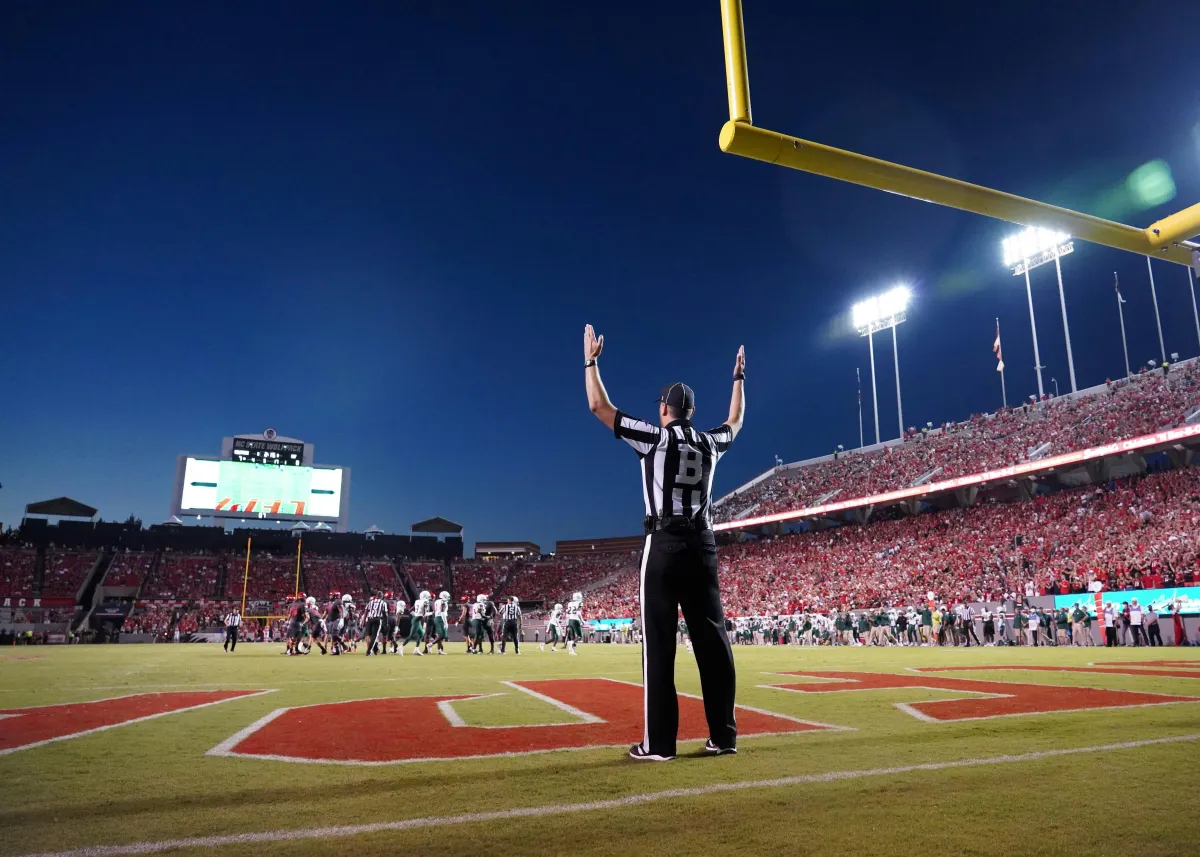
Saturday is when the week’s structure pays off. The day starts with a team breakfast and final meetings, often reviewing the first few drives, special teams alerts, and any late adjustments. Pre‑game warm‑ups are tightly timed: position drills, stretching, specialist work, and brief full‑team periods to build energy without causing fatigue. Once the game kicks off, every detail from the week—film study, practice reps, walk‑throughs—guides how players react and adjust. After the final whistle, recovery begins again: ice baths, treatment, and a quick review before the team turns the page to the next opponent.
Why the Weekly Rhythm Matters
From Monday’s film sessions to Saturday’s final snap, a college football team’s week is designed with intention. Each day has a specific purpose—recovery, physical work, refinement, or mental preparation—and together they create a rhythm that keeps players healthy, focused, and ready to perform. Understanding this schedule offers a deeper appreciation of how much planning and discipline go into every game you see on Saturday afternoons.
🎯 Ready to Get Noticed? Send us your game film and we’ll build a college‑ready highlight reel that flows, spotlights your best plays, and is easy for recruiters to evaluate in the first 30–60 seconds. Click here to get your highlight tape edited and start standing out on every coach’s screen.