
Understanding 'Athlete' in College Football Recruiting
Recruiting, College Football, High School Athletes
What It Really Means When a School Recruits You as an “Athlete”
If a college coach lists you as an “athlete” instead of a specific football position, it can feel confusing or even a little unsettling. In reality, this label often says more about your potential than your limitations. Here is what that designation usually means, why coaches use it, and how you can make the most of the opportunity.
“Athlete” vs. Position Recruit: What Is the Difference?
When a school recruits a player as a specific position — like quarterback, cornerback, or left tackle — the staff usually has a clear plan for where that player fits into the current depth chart. They see you filling a defined need on the roster, often with an expected timeline for when you might contribute on the field.
Being recruited as an “athlete” is different. It means the coaches are sold on your overall ability — your speed, strength, instincts, and competitiveness — but are still flexible about where you will ultimately line up. They are betting on your versatility and upside rather than locking you into one role from day one.
What Coaches See When They Call You an “Athlete”
The “athlete” tag is not a throwaway label; it is usually a compliment. Coaches use it when they notice traits that can translate to multiple spots on the field. Common reasons include:
You play several positions in high school (for example, quarterback, safety, and kick returner) and excel at all of them.
Your measurables — size, speed, and explosiveness — could fit different roles depending on how your body develops in college.
You show strong football instincts: you track the ball well, tackle in space, or create mismatches with the ball in your hands.
The staff believes you can help on special teams early while they figure out your long-term position.
📌 Key Takeaway: “Athlete” usually means coaches see you as a high-upside, flexible piece they can plug into different roles as the roster evolves.
How Roster Needs and Scheme Shape That Label
College rosters are constantly changing. Players graduate, transfer, or get injured. Coaching staffs also tweak their schemes, which can shift what they need at each position. Recruiting an “athlete” gives them flexibility to adjust without being locked into a single plan for you before you even step on campus.
For example, a school might see you as a wide receiver today but know you could grow into a hybrid tight end, nickel defender, or return specialist. Rather than over-promising one role, they are honest that your exact spot will depend on how you develop and what the team needs over the next few years.
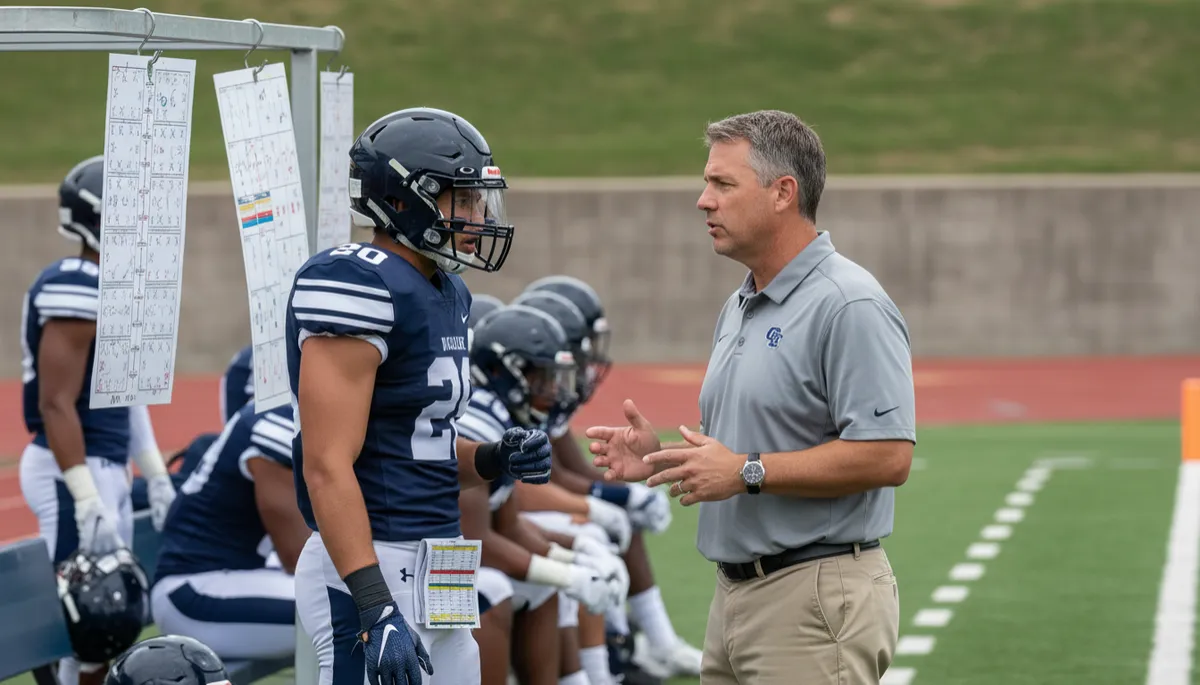
Honest talks with coaches about role and fit help clarify what “athlete” means for you.
The Pros and Cons of Being Recruited as an Athlete
Like any recruiting label, “athlete” comes with benefits and trade-offs. It is helpful to understand both sides before you commit.
Upside and opportunity: You may have more pathways to the field — offense, defense, and special teams — which can speed up your chance to contribute if you embrace flexibility.
Uncertainty about your role: You might not know exactly where you will play until you arrive and go through workouts, meetings, and practices. Some athletes love that; others prefer clarity.
Developmental focus: Because the staff is betting on your growth, strength and conditioning, film study, and position meetings will be crucial to carving out your long-term spot.
💡 Pro Tip: Ask each staff, “Where do you currently see me playing, and what other positions do you think I could grow into?” Their answers reveal how clear their plan really is.
How You Should Approach Being Recruited as an Athlete
If a school is recruiting you as an athlete, your mindset matters. Stay open-minded, but also be honest with yourself about what you enjoy and where you believe you can thrive. Use campus visits, phone calls, and video sessions to ask thoughtful questions, understand how the staff develops players, and get a feel for how they have used similar recruits in the past.
🎯 Ready to Get Noticed? Join our free Facebook group for football parents — recruiting education, real wins from real families, and direct guidance from a former zero-star recruit turned ACC & SEC starter. Click here to join the group and start getting your athlete in front of the right eyes.