How College Football Programs Generate Revenue
College Football, Sports Business
How Do College Football Programs Make Money?
College football is more than Saturday traditions and school pride; it is a major business engine. From packed stadiums to lucrative media deals, programs generate revenue through a complex mix of sources that keep both athletics and, in many cases, the wider university running.
Ticket Sales and Game-Day Revenue
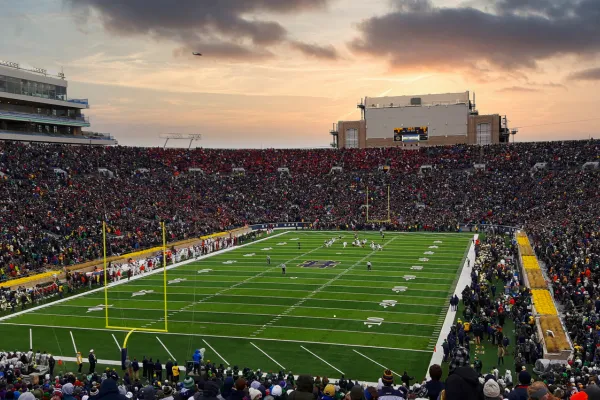
The most visible income stream is ticket sales. For power programs that routinely sell out stadiums of 80,000 or more, season tickets, single-game sales, and premium seating can bring in tens of millions of dollars each year. Pricing tiers, rivalry games, and dynamic pricing strategies all help maximize this revenue.
Beyond the ticket itself, game day becomes a cash generator. Concessions, parking fees, and in-stadium merchandise add layers of income. Many schools work with third-party vendors, taking a negotiated cut of hot dogs, drinks, and T-shirt sales. For high-profile programs, a single home game can produce the equivalent of a small business’s annual revenue.
💡 Pro Tip: The most profitable programs treat every home game like a major event, coordinating pricing, promotions, and fan experience to encourage higher spending per attendee.
Media Rights and Conference Payouts
While tickets are important, the biggest money often comes from television and streaming. Conferences negotiate media-rights deals with major networks, selling the rights to broadcast regular-season games and championship matchups. These contracts can be worth billions over several years, and the revenue is typically shared among member schools.
For an individual program, annual conference distributions can outpace what it earns directly from the gate. Playoff appearances and marquee bowl games add bonus payouts, which conferences again distribute according to agreed formulas. Even programs that are not national powerhouses benefit from being part of a conference with strong media leverage.

Media contracts and conference payouts often dwarf traditional ticket revenue for top programs.
Sponsorships, Licensing, and Merchandising
Corporate partnerships are another pillar of college football finances. Stadium naming rights, signage, on-field logos, and official product designations (such as “the official soft drink” or “the official bank”) all bring in sponsorship dollars. Local and national brands pay to be associated with a passionate fan base and a highly visible program.
Licensing and merchandising extend the brand beyond campus. Universities license their logos and colors to apparel companies and retailers, earning royalties on jerseys, hats, and fan gear sold nationwide. Successful teams see a spike in merchandise sales after big seasons, turning on-field wins into off-field profits that can continue long after the final whistle.
Donations, Seat Licenses, and Alumni Support
Many of the most influential dollars come from donors. Alumni and local supporters contribute to athletic foundations in exchange for access to priority seating, parking, hospitality areas, and behind-the-scenes events. These contributions are often structured as annual gifts that must be renewed to keep those benefits, providing a reliable revenue stream.
Some programs also use personal seat licenses, which require fans to pay a one-time or recurring fee for the right to buy certain tickets. On top of that, major capital campaigns fund new stadiums, training facilities, and academic centers. Donors are drawn not only by love of the team but also by the prestige of supporting a winning program that represents the university’s identity on a national stage.
📌 Key Takeaway: Emotional connection drives financial support; when fans feel invested in the program’s story, they are more likely to give generously.
The Bigger Picture: Where the Money Goes
Revenue is only half the story. College football is expensive to operate: coaching salaries, facility upkeep, travel, recruiting, and scholarships add up quickly. At many schools, football profits help fund other sports that do not generate enough income to cover their costs, supporting a broad athletics department and, in some cases, contributing to academic initiatives as well.
Understanding how college football programs make money reveals why the sport commands so much attention. It is not just about wins and losses; it is about a powerful business model built on tradition, community, media exposure, and the enduring pull of school pride.
📣 Ready to Optimize Your Program’s Revenue Strategy? If you want to better understand your own revenue mix, benchmark against top programs, or uncover new opportunities in media, sponsorship, and game-day operations, book a free consultation with our team. We’ll walk through your current approach and share tailored ideas you can put into play this season.