
College Football Coach Tenure: How Long They Stay
College Football, Coaching Tenure
How Long Do College Football Coaches Really Stay at One Program?
In an era of big contracts, high expectations, and constant pressure to win, the lifespan of a college football coaching job can feel surprisingly short. But what does the data actually say about how long a coach typically remains at a single program?
The Short Answer: Around Four to Five Years on Average
While exact figures vary by source and division, most recent analyses of Football Bowl Subdivision (FBS) programs place the average head coaching tenure at roughly four to five years at a single school. That means a typical college football coach will spend about the length of one full recruiting cycle, plus a year or two, before moving on or being moved out.
This average is shaped by two very different realities. On one end are long-time fixtures who stay a decade or more and become synonymous with their schools. On the other are coaches who last just two or three seasons before resigning, being fired, or jumping to another opportunity. When you blend those extremes together, the middle point lands in that four-to-five-year window.
📌 Key Takeaway: Most coaching tenures barely outlast a single recruiting class, which makes planning, culture-building, and roster management a constant race against the clock.
Why the Average Tenure Is Relatively Short
Several forces push the typical coaching stay toward the shorter side. The most obvious is performance pressure. Athletic directors and fan bases expect quick turnarounds, especially when a coach arrives with a big salary and bold promises. If a program is not winning by year three or four, patience tends to run out quickly.
At the same time, success can shorten a tenure too. Coaches who dramatically overachieve at a smaller or mid-tier program often attract offers from bigger schools with more resources, richer contracts, and greater national visibility. In those cases, the coach leaves voluntarily, but the result is the same: another short stay added to the average.
Off the field, factors like conference realignment, changing leadership in the athletic department, and evolving expectations around recruiting and player development also influence how long a coach remains in place. A new athletic director, for example, may want to hire “their own person,” putting even a moderately successful coach on uncertain ground.
“In today’s climate, coaches aren’t just judged on Saturdays—they’re evaluated year-round on recruiting, retention, and brand perception.”
— Anonymous FBS Athletic Administrator
How Tenure Varies by Level, School, and Situation
The four-to-five-year figure is an overall average, not a universal rule. Tenure can look quite different depending on where a coach works and what kind of program they inherit:
Power conference programs often see shorter leashes. With national TV deals and playoff aspirations, big-name schools can be quick to make a change if results lag, pulling the average down.
Smaller or rebuilding programs may give a coach more time to establish culture and recruit, especially if early signs of progress are visible even before the win–loss record fully turns around.
Long-tenured “institutional” coaches who stay 10, 15, or even 20 years at one school are increasingly rare, but they have an outsized impact on fan perception of what a coaching career used to look like.
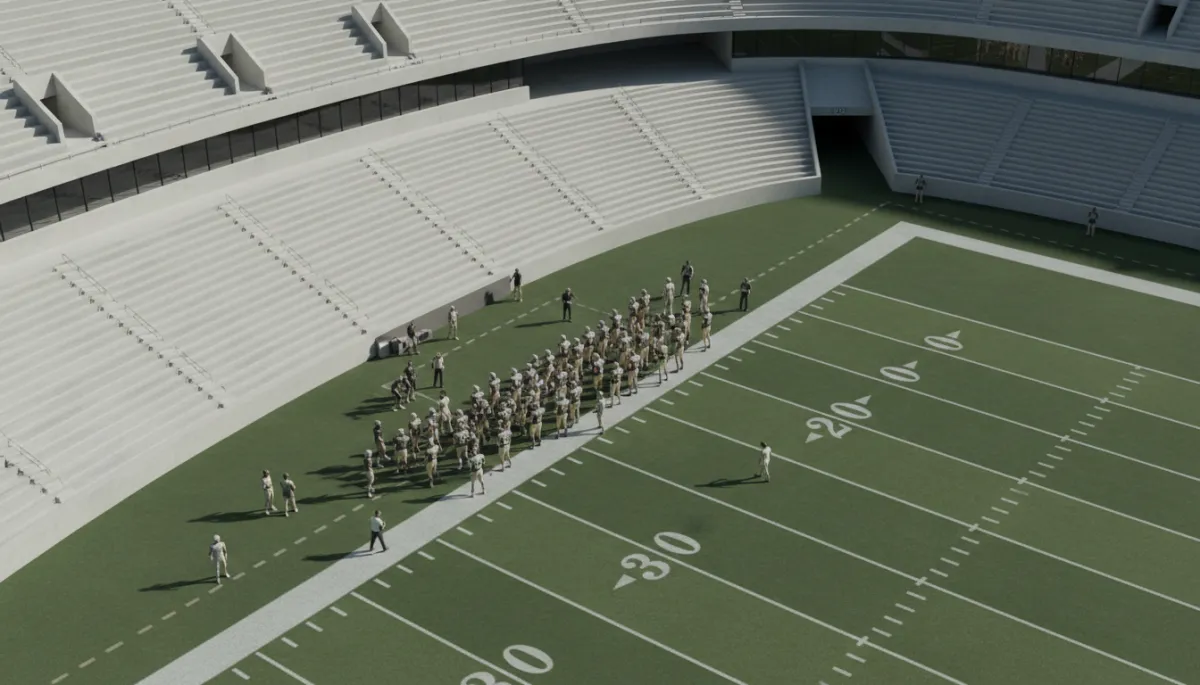
Behind every tenure statistic are complex decisions about fit, results, and long-term vision.
💡 Pro Tip: When evaluating a coach’s future, look beyond the record. Consider recruiting momentum, culture, staff stability, and alignment with the athletic department’s long-term plan.
What the Average Tenure Means for Players and Programs
For players, a four-to-five-year average tenure means that many will experience at least one coaching change during their college careers. That can bring new playbooks, new position coaches, and new expectations—sometimes opening doors, other times creating uncertainty. Stability can be a recruiting pitch, but it is never fully guaranteed.
For schools, the relatively short average stay underscores the need for clear long-term planning. Athletic departments must balance the desire for immediate improvement with the recognition that building a sustainable program usually takes more than a season or two. Hiring decisions are no longer just about scheme; they are about leadership style, adaptability, and the ability to navigate a constantly shifting landscape.
Final Takeaway: A Career Built on Constant Change
When you strip away the headlines and emotional reactions to hirings and firings, the numbers tell a clear story: the average college football coach stays at a single program for about four to five years. Some will beat those odds and build a legacy over decades. Many more will move on quickly, by choice or by circumstance.
For fans, recruits, and administrators, understanding that reality provides important context. Coaching tenures are shorter, the stakes are higher, and change is now a built-in feature of the college football landscape rather than an occasional surprise.
📌 Key Takeaway: The most successful programs don’t just react to coaching changes—they anticipate them and build systems that can withstand turnover.
Ready to Talk About Your Next Move?
Book a free consultation to discuss your athlete’s situation, evaluate your options, and map out a realistic plan for long-term stability and success.