
Why College Coaches Prefer Multi-Sport Athletes
Youth Sports, College Recruiting
Multi-Sport Athletes: Why College Coaches Take Notice
Families often wonder whether specializing in one sport is the best path to college athletics. Increasingly, the answer from college coaches is clear: they love recruiting multi-sport athletes.
What Defines a Multi-Sport Athlete?
A multi-sport athlete is a student who competes in two or more sports across the school year. This could be a soccer and basketball player, a volleyball and track standout, or a football player who also wrestles or runs track. The key is that they are training, competing, and learning in more than one athletic environment, often under different coaching styles and team cultures.
Unlike single-sport specialists, multi-sport athletes constantly adapt. They move from one season to the next, adjusting to new roles, teammates, and tactical demands. That range of experience builds a foundation of athletic intelligence that is hard to replicate through year-round club play in just one sport.
The Hidden Advantages of Playing Multiple Sports
Playing several sports does more than fill a calendar; it develops a broader, more resilient athlete. Each sport demands different movements, energy systems, and decision-making patterns, which together create a more complete competitor.
Better overall athleticism: Sports like track improve speed and explosiveness, while basketball or soccer build agility, balance, and spatial awareness. These qualities transfer directly into almost any college sport.
Injury reduction and durability: Repeating the same movements year-round can lead to overuse injuries. Multi-sport athletes naturally cross-train, strengthening different muscle groups and giving overworked joints a break.
Mental freshness: Rotating sports keeps competition exciting. The change in environment reduces burnout and helps athletes stay motivated over many years.
💡 Pro Tip: Colleges recruit the athlete first and the position second. Building broad athletic tools can be more valuable than chasing one extra showcase event.
Why College Coaches Take Notice of Multi-Sport Athletes
When college coaches evaluate prospects, they look far beyond a highlight reel. They are trying to predict who will develop, adapt, and thrive over four or five years in their program. Multi-sport athletes often check many of the boxes coaches care about most.
Proven competitiveness: Competing in multiple seasons means more pressure moments, more playoffs, and more chances to respond when it matters. Coaches notice athletes who consistently show up in big games across different sports.
Coachability and adaptability: Multi-sport athletes work with several coaching staffs. They learn to accept feedback in different styles, adjust to new systems, and embrace different roles—exactly what happens in college when a freshman enters a new program.
High ceiling for growth: A player who has not spent every month of the year in one sport often has more room to grow. College coaches love the idea of polishing raw athletic potential into a complete collegiate player.
Competitive toughness: Wrestling teaches grit, track teaches discipline, and team sports teach communication. The mental edge gained from navigating different competitive arenas is a major selling point in recruiting conversations.
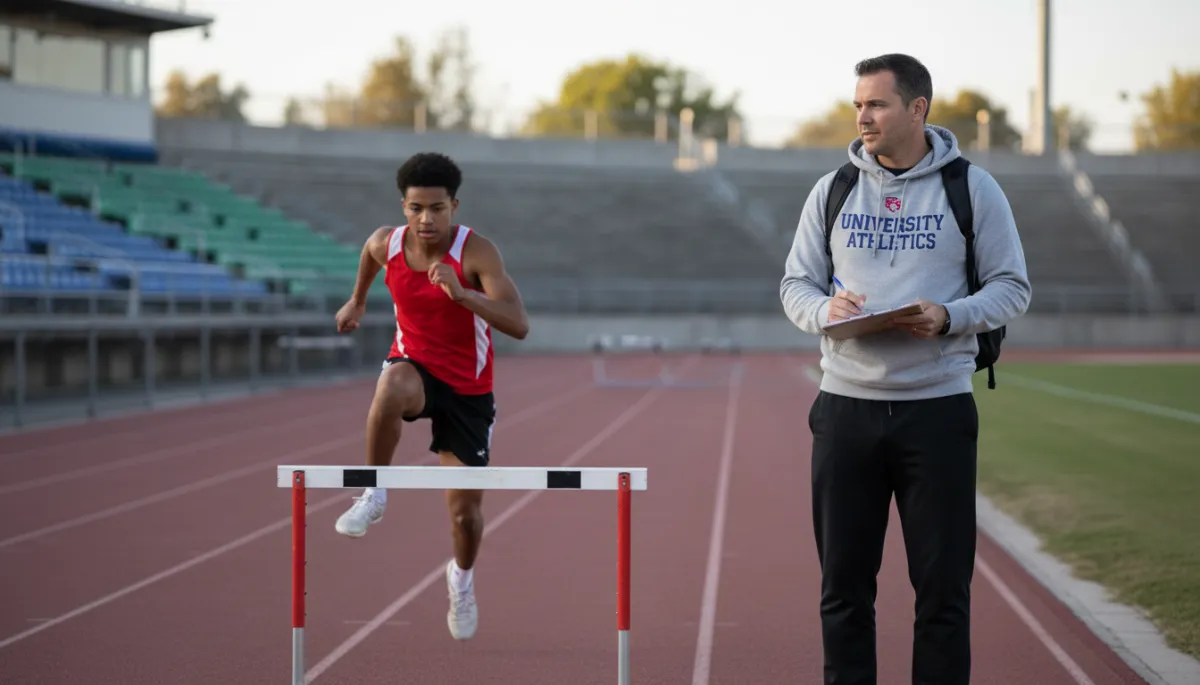
Coaches value athletes who show competitiveness and growth across different sports seasons.
Balancing Multi-Sport Participation and Recruitment Goals
Being a multi-sport athlete does not mean ignoring your primary sport. It means using other sports strategically to support long-term development. Families should plan seasons intentionally, communicate with coaches, and protect recovery time. When done well, multi-sport participation becomes a powerful part of a student-athlete’s recruiting story rather than a distraction from it.
📌 Key Takeaway: College coaches notice multi-sport athletes because they are versatile, resilient, and competitive. Those qualities often matter more than early specialization when it comes to earning a spot on a college roster.
For many student-athletes, the smartest move is not to narrow their focus too early but to embrace the full range of opportunities high school sports provide. The versatility, toughness, and joy they gain along the way are exactly what college coaches are hoping to find.
✅ Ready for the next step? If you’d like help mapping out a recruiting plan that fits your multi-sport schedule, book a free consultation with our team today and get personalized guidance for your family’s journey.