Why College Coaches Ignore Recruiting Messages
College Recruiting, Student Athletes
Why Most College Coaches Never Respond to Recruiting Messages
If you are a high school athlete staring at an empty inbox, you are not alone. Many talented players send dozens of messages to college coaches and never hear a word back. Understanding why this happens can help you change your approach and finally get noticed.
Their Inboxes Are Completely Overwhelmed
College coaches receive an astonishing volume of messages every week. Between emails, social media DMs, recruiting platforms, and texts, hundreds of athletes may be trying to reach the same coach at the same time. Many of those messages look nearly identical, making it hard to separate serious prospects from mass send-outs. When time is limited, coaches naturally focus on messages that come from trusted sources, such as club coaches, high school coaches, or established recruiting services, and a large portion of unsolicited emails simply never get opened.
📌 Key Takeaway: Standing out starts with understanding how crowded a coach’s inbox really is.
You Might Be Contacting the Wrong Level or Wrong Program
One of the most common reasons coaches do not respond is that the athlete is not a realistic fit for their level of play. A Division I program that recruits nationally may be looking for athletes with size, speed, and performance metrics well beyond the average high school standout. If your video or stats do not match what they typically sign, they will usually move on without replying. The same thing happens when you reach out to programs that do not need your position in that recruiting class, or schools that do not offer your intended major. Coaches are not ignoring you to be rude; they are making quick decisions about fit and priorities.
Your Message Looks Generic or Mass-Produced
Coaches can spot a copy‑and‑paste recruiting email in seconds. Messages that start with “Dear Coach” and never mention the school, conference, or specific program tell them you probably sent the same note to 50 other coaches. When an email feels generic, there is little reason for a coach to invest time in a reply. On the other hand, a short, personal message that clearly explains why you are interested in their school, how you fit their roster needs, and what you bring academically and athletically stands out in a crowded inbox. Many athletes never get a response simply because their outreach looks like spam.
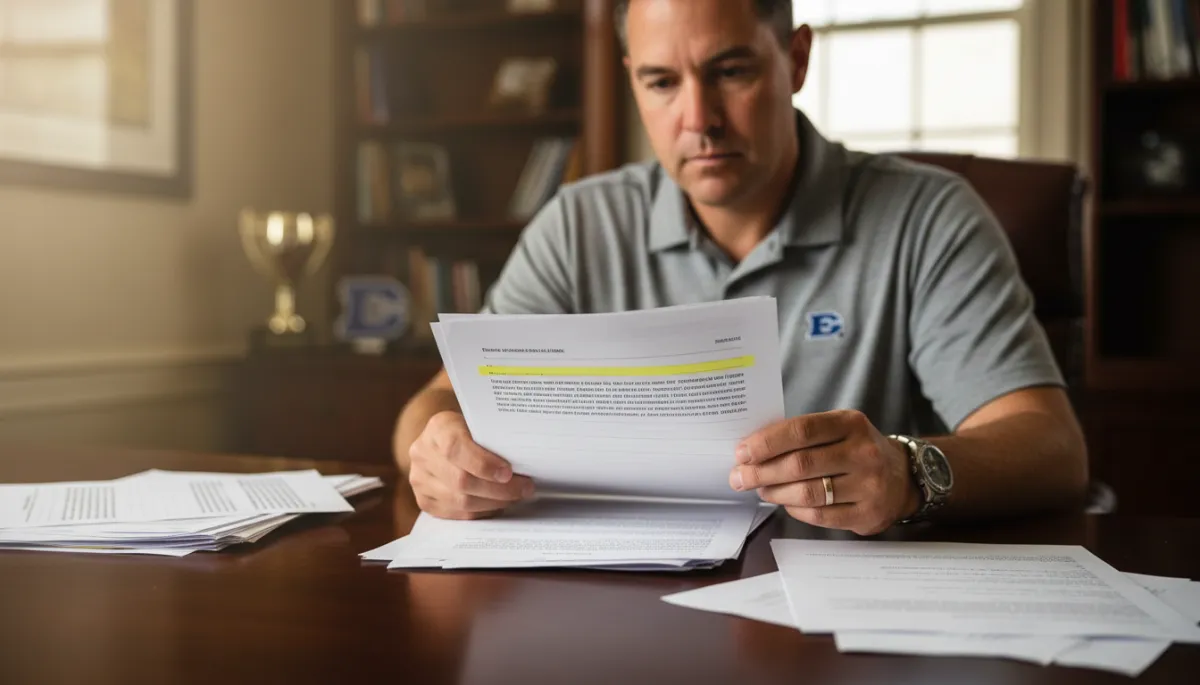
Personalized, well-researched messages are far more likely to earn a coach’s attention.
Timing, Rules, and Recruiting Calendars Matter More Than You Think
Another reason you may not hear back has nothing to do with your talent and everything to do with timing. Depending on the sport and division, there are strict rules about when coaches are allowed to contact prospective student athletes. If you are too young according to those rules, they may read your message but be prohibited from responding directly. In addition, coaches work on recruiting calendars that focus on specific graduating classes at different times of the year. If your message arrives when they are finalizing offers for the class ahead of you, it may simply get buried before your class becomes a priority.
Your Video and Academic Information Are Missing or Hard to Find
Even when a coach opens your email, they may move on quickly if they cannot evaluate you efficiently. Messages that do not include a clear highlight video link, basic stats, position, graduation year, and academic profile force coaches to hunt for information they do not have time to track down. If your video link is broken, buried under multiple paragraphs, or hidden in a social media profile they do not use, they will likely close the message and move to the next athlete. Many coaches only respond once they have seen enough on film and on paper to justify further conversation.
They Are Already Focused on Other Recruits
By the time you reach out, a program may already have a short list of preferred prospects, often built from live evaluations, camps, showcases, and long‑term relationships with club or high school coaches. Once a coach feels confident in that list, they invest most of their energy nurturing those relationships, watching more film, and hosting campus visits. New messages from athletes they have never seen might get a quick look, but not a reply, especially if roster spots or scholarship money are nearly gone. Silence can simply mean that the program’s recruiting picture is already set for your position or class.
What You Can Do Differently to Get Noticed
While you cannot control a coach’s workload or roster needs, you can control how you present yourself. Research schools carefully to target realistic levels. Craft short, specific messages that mention the program by name and explain why you belong there. Include a clean highlight link, your key stats, academic information, and your graduation year in the first few lines. Follow up politely after a reasonable time, and understand that silence is often about fit and timing, not your worth as an athlete or person. The more you understand why most college coaches never respond, the better you can adjust your strategy and open doors to the right opportunities.
💡 Pro Tip: Ready to tighten up your emails, target the right schools, and build a real recruiting plan? Book a free consultation with our recruiting advisor team today and get personalized feedback on your film, messaging, and college list so you can start hearing back from coaches faster.