
Choose the Right College Football Camps
College Football, Recruiting, Camps
How to Choose the Right College Football Camps (And Avoid Wasting Thousands of Dollars)
College football camps can open doors to scholarships and roster spots—or quietly drain your family’s time and money. Here’s how to decide which camps are worth it, and which ones you should skip.
Start With Your Goals, Not the Camp Brochure
Before you look at a single camp website, get clear on what you actually need. Are you trying to:
Learn better technique and fundamentals?
Get verified measurables and testing numbers on record?
Perform in front of specific college coaching staffs who are already aware of you?
Younger players (freshmen and most sophomores) usually benefit most from skill-development camps. Upperclassmen looking to be evaluated should focus on prospect or elite camps where coaches are actively recruiting their class and position.
Match the Camp Level to Your Realistic College Fit
One of the fastest ways to waste money is chasing logos instead of fit. A camp at a powerhouse FBS program may sound exciting, but if your current size, speed, and film don’t match that level, you are paying for a T-shirt and a memory, not a recruiting opportunity.
Compare your measurables (height, weight, 40, shuttle, bench) with what those programs list on their roster for your position.
Watch game film or highlights of players they recruit from your state or region.
Ask your high school or club coach what level they realistically see you playing at right now.
💡 Pro Tip: Aim for camps at schools where you could genuinely see yourself playing and studying, not just programs you see on TV.
Look for Direct Access to College Coaches
Not all camps are created equal. Some are run by third-party companies that rent facilities and promise “exposure” but have limited genuine interaction with decision-makers. To choose the right college football camps, prioritize events where college coaches are on the field teaching and evaluating, not just listed on a flyer.
Check if the camp is officially hosted by a college program (often called “prospect camps” or “mega camps”).
Read the schedule: Is there position-specific work and competitive periods where coaches can truly evaluate you?
Ask former attendees or your coach how many actual offers or follow-up conversations came from that camp.
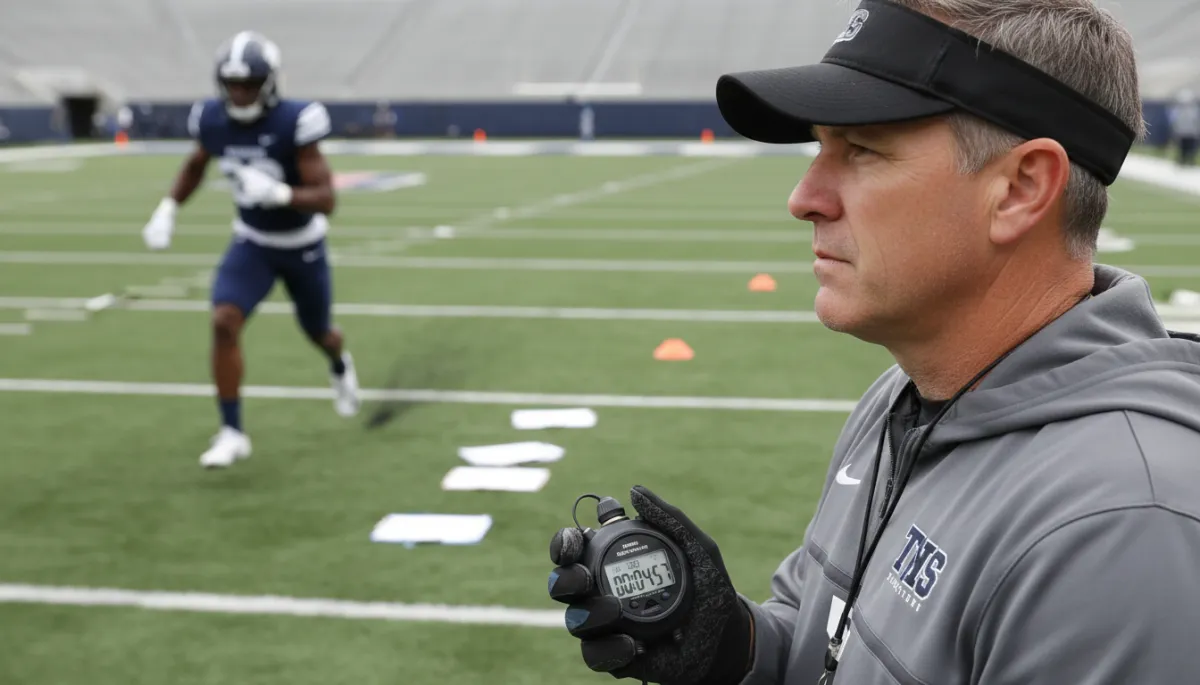
Camps with hands-on college coaches give you real evaluations, not just a workout.
Avoid Wasting Thousands of Dollars on the Wrong Camps
Camp fees are only part of the cost. Add travel, gas, hotels, meals, and missed work, and a single weekend can easily reach several hundred dollars. Multiply that by four or five camps, and families routinely spend thousands without a single serious recruiting conversation. To avoid that trap, treat camp selection like a business decision.
Set a camp budget for the year. Decide in advance what you can realistically spend, then prioritize events that align with your best-fit schools.
Limit “just for fun” camps. One dream-school experience is fine; turning it into an annual tour of big-name programs is where costs explode with little recruiting return.
Communicate with coaches before you register. If a staff has never seen your film, never replied to an email, and shows no interest, paying to attend their camp is usually a long shot.
⚠️ Warning: If a camp promises guaranteed exposure or “scholarship opportunities for everyone,” be skeptical. No one can sell you a scholarship spot at a legitimate college program.
Build a Smart Camp Schedule That Works for You
The right college football camps fit into a bigger plan. Ideally, you’re using the spring to develop skills and get your body ready, then targeting a small number of well-chosen prospect camps in early summer. That leaves time to recover, train, and follow up with coaches before your season starts.
Avoid stacking multiple high-intensity camps back-to-back; fatigue can ruin your performance and first impression.
After each camp, send thank-you messages, updated film, and your schedule for the upcoming season to any coach who showed interest.
The Bottom Line: Fewer, Better Camps Win
Choosing the right college football camps is less about chasing every opportunity and more about targeting the right ones. When you align camps with your goals, realistic college level, and budget, you protect your family’s finances and give yourself a better shot at the right fit school. One meaningful connection with the right coaching staff is worth far more than a summer full of expensive, unfocused camp visits.
📌 Key Takeaway: If you want help building a smart, targeted camp plan for your position, grad year, and budget, book a free consultation with our recruiting advisors today. We’ll review your film, measurables, and goals and give you a clear, customized camp strategy—no pressure, no obligation.