Exploring the Rich Culture of American Football
American Football, Sports Culture
What Is American Football Culture?
American football culture is far more than a sport on a field. It is a weekly ritual, a social glue, a business powerhouse, and a shared language that shapes how millions of people in the United States spend their weekends, celebrate identity, and connect with one another.
More Than a Game: A Weekly Ritual
In the United States, football season structures the calendar. Autumn weekends revolve around Friday night high school games, Saturday college matchups, and Sunday professional showdowns. For many families, these games are standing appointments, penciled in months in advance and rarely missed.
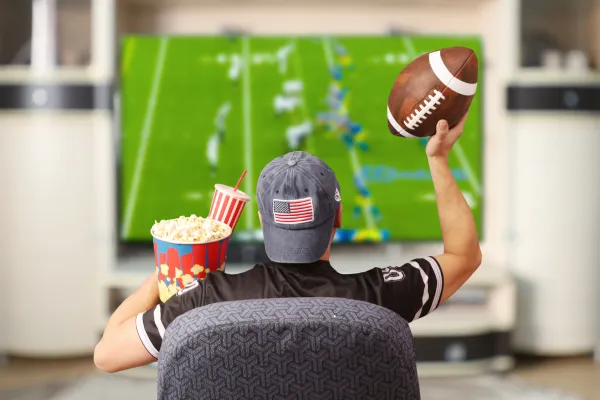
The ritual often begins hours before kickoff. Friends and relatives gather to cook, set up screens, and put on team jerseys. The game is the center of attention, but the experience around it—conversation, food, shared tension, and celebration—is what shapes football into a cultural event rather than just a competition.
Tailgates, Food, and the Social Side of Football
One of the most visible expressions of American football culture is the tailgate. Hours before a college or professional game, parking lots fill with trucks, tents, grills, and portable speakers. Fans cook burgers, ribs, wings, and regional specialties while sharing drinks, stories, and predictions for the game ahead. Strangers become temporary neighbors, united by team colors and a common schedule.
Even at home, food is part of the ritual. Dips, chips, chili, pizza, and barbecued meats are staples of the football viewing experience. The menu often reflects local tastes, turning game day into a mini celebration of regional identity as well as team loyalty.
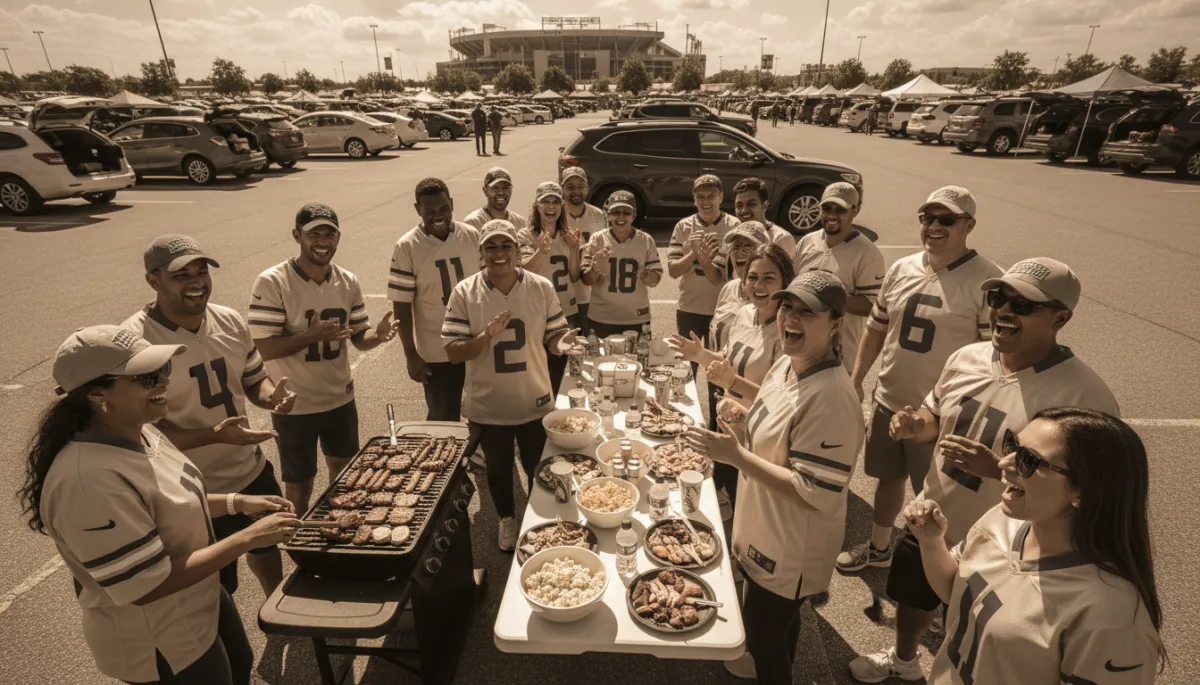
Tailgating turns game day into an all-day social gathering for many fans.
Community, Identity, and Regional Pride
Football teams often stand in for entire communities. A high school team can be a small town’s pride, drawing students, parents, and alumni back to the same bleachers year after year. College football, especially in the South and Midwest, can define the spirit of a campus and even a whole state. Professional franchises become symbols of their cities, carrying the stories of local history, struggle, and resilience onto the national stage.
Wearing a team logo is a shorthand for belonging. Jerseys, hats, and bumper stickers signal not just who someone roots for, but where they come from, where they went to school, or where they feel at home. In this way, American football culture ties deeply into personal and regional identity.
Pageantry, Tradition, and Spectacle
The game itself is surrounded by pageantry. Marching bands, cheerleaders, halftime shows, and elaborate pregame ceremonies add layers of spectacle. Many teams have signature traditions: a particular song, a tunnel entrance, a mascot’s routine, or a post-game chant that fans know by heart. These rituals create continuity from one season to the next and connect new fans with generations of supporters who came before them.
The Super Bowl magnifies this spectacle on a global scale. It blends elite competition with celebrity performances, high-budget commercials, and watch-parties that include even those who rarely follow sports. For one evening, football becomes a shared national broadcast, a kind of unofficial holiday that reaches far beyond hardcore fans.
Strategy, Storylines, and Shared Language
Part of football’s cultural pull lies in its complexity. Fans debate coaching decisions, analyze play calls, and follow player statistics with near-obsessive attention. Fantasy football leagues and sports betting have added new layers of engagement, turning every yard gained or lost into a personal investment for millions of viewers each week.
Over time, the sport has developed its own language—terms like “Hail Mary,” “red zone,” and “two-minute drill” are widely recognized, even by people who rarely watch games. Media coverage amplifies these storylines, turning coaches and quarterbacks into familiar characters in a long-running drama that plays out season after season.
Tension, Debate, and Change
American football culture is not without controversy. Concerns about player safety, especially head injuries, have sparked intense debate and led to new rules and equipment standards. Discussions about race, gender, and protest have also played out on the field and in the stands, highlighting how closely the sport is tied to broader social issues in the United States. These conversations show that football is a mirror of the society around it, reflecting both its values and its conflicts.
Why It Matters
To understand American football culture is to understand a powerful force in U.S. life. It shapes how communities come together, how people express pride and belonging, and how national conversations unfold on a highly visible stage. Whether you are a devoted fan or a casual observer, the rhythms of football season, the traditions around game day, and the stories told on and off the field offer a revealing window into contemporary American society.
If you’d like to explore how football culture shows up in your own community, team, or brand, you can book a free consultation to dive deeper into the traditions, stories, and rituals that matter most to you.